China hikes tariffs on U.S. goods to 125% in escalating trade war with Trump

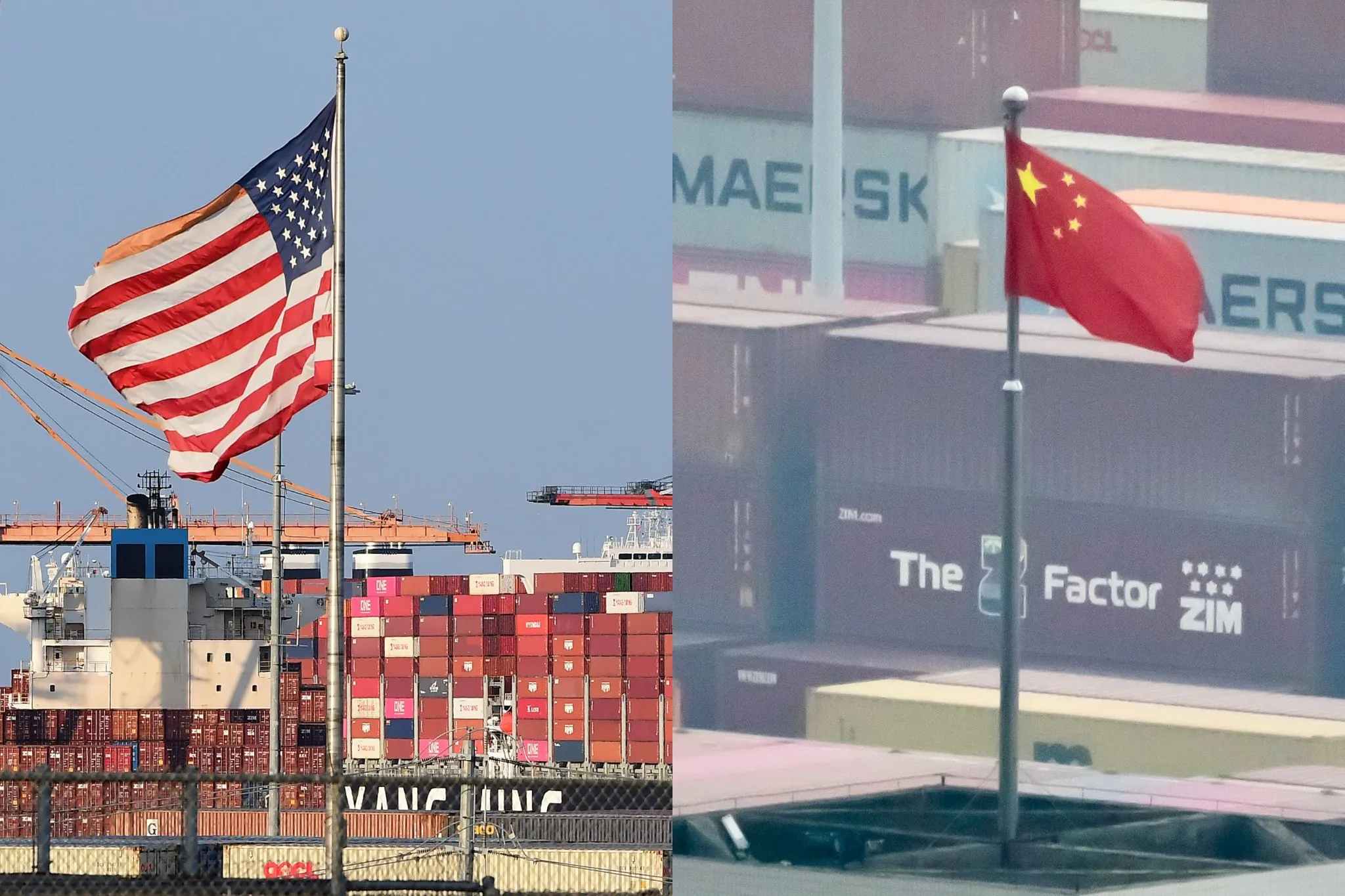
Beijing increased its tariffs on U.S. imports to 125% on Friday, hitting back against President Donald Trump’s decision to raise duties on Chinese goods and increasing the stakes in a trade war that threatens to upend global supply chains.
The retaliation intensified global economic turmoil unleashed by Trump’s tariffs. U.S. stocks ended a volatile week higher, but the safe haven of gold hit a record high during the session, and benchmark U.S. 10-year government bond yields posted their biggest weekly increase since 2001 alongside a slump in the dollar, signalling a lack of confidence in America Inc.
One U.S. survey of consumers showed inflation fears have mounted to their highest since 1981, while financial institutions have been forecasting an ever-greater risk of recession.
Trump downplayed the market turbulence, predicting the dollar would strengthen and saying his 10% across-the-board tariffs represented a floor in most cases as countries strike their own trade deals with Washington.
“When people understand what we’re doing, I think the dollar will go way up,” he told reporters aboard Air Force One late on Friday. “The bond market’s going good. It had a little moment, but I solved that problem very quickly.”
The $29 trillion Treasury market saw an acute selloff following Trump’s initial announcement about what he calls reciprocal tariffs. That turbulence was seen as part of what drove Trump to announce a 90-day pause for countries other than China on Wednesday.
The White House has said since then that more than 75 countries have sought trade negotiations with the United States and that future deals would bring certainty.
India and Japan are among the powers to have advanced toward trade talks, but generally foreign leaders have puzzled over how to respond to the biggest disruption to the world trade order in decades.
The tit-for-tat tariff increases by the U.S. and China stand to make goods trade between the world’s two largest economies impossible, analysts say. That commerce was worth more than $650 billion in 2024.
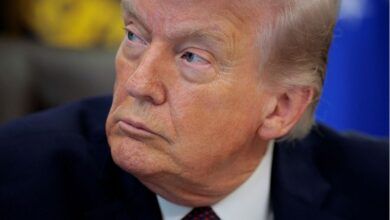
“We pretty much can do what we want to do, but we want to be fair. We can set the tariff, and they can choose not to deal with us, or they can choose to pay it,” Trump said on Air Force One, repeating his contention that U.S.-imposed tariffs are paid by foreign exporters.
Although such levies can inflict pain on the exporter by making its products less competitive, tariffs are paid by the importer, which often passes the additional cost on to the consumer.
Trump, who said on Friday he was comfortable with the tariffs on China, has suggested that a deal with Beijing could be in the offing, too, heaping praise on President Xi Jinping despite their differences over trade. But there were no signs that the world’s two largest economies were ready to back down.