Brutal Interrogation Tactics Used by the Zionist Entity Against Palestinian Prisoners

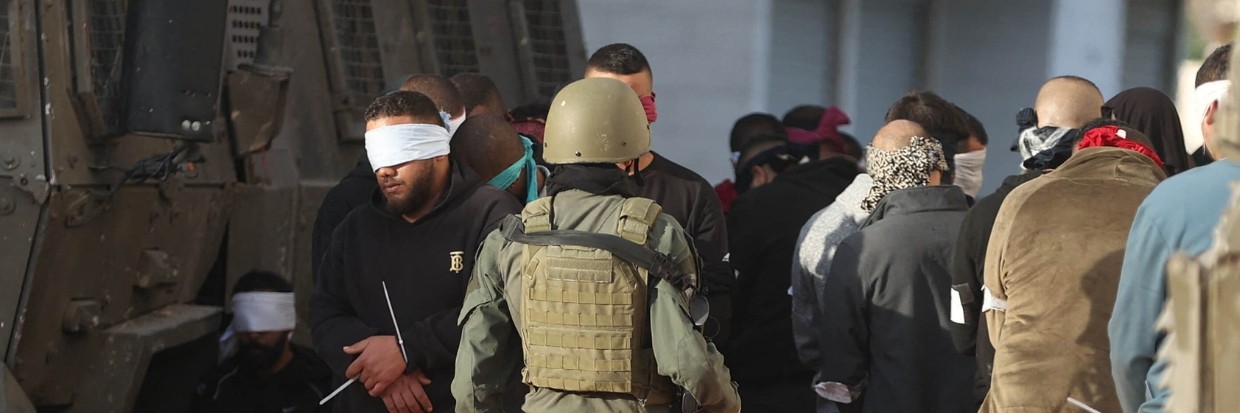
The Zionist entity continues to employ inhumane and degrading interrogation methods against Palestinian detainees, including the use of foul-smelling black plastic bags to cover their heads. This practice suffocates prisoners and prevents normal breathing, according to reports by Palestinian prisoner advocacy groups.
Amjad Al-Najjar, spokesperson for the Palestinian Prisoners’ Club, revealed to APS that this cruel method is especially common against detainees from Gaza. Al-Najjar himself endured this treatment during his imprisonment, spending three months with a dirty bag tightly secured over his head.
“From the moment a detainee enters the interrogation phase until it ends, a foul-smelling bag is placed over their head,” Al-Najjar stated. “Prisoners are forced to wear it throughout all sections of interrogation, sometimes for months, preventing them from seeing anyone.”
The spokesperson added that since 1967, the Zionist entity has systematically employed violent torture methods against Palestinian detainees. These include prolonged periods of being bound to small chairs, denial of access to restrooms, and the suffocation caused by tightly sealed, filthy head coverings.
“This is not just a method of interrogation; it’s a form of execution,” Al-Najjar emphasized. “It turns the prisoner’s life into a living hell, particularly for detainees from Gaza, who are subjected to these practices in facilities like Camp Sidi Taiman and other detention centers.”
Thaher Shreiteh, spokesperson for the Palestinian Commission of Detainees and Ex-Detainees Affairs, confirmed that such practices are increasingly reported at facilities like the Etzion Detention Center. He noted that detainees are often held with their heads covered during interrogations and meetings with their lawyers.
“This plastic bag technique causes significant health issues due to its tightness around the face, obstructing breathing. Combined with beatings and other forms of torture, it highlights the ongoing war crimes committed against Palestinian prisoners,” Shreiteh explained.
Detainees at Etzion are held for varying periods before being transferred to unknown locations, blindfolded and unaware of their destinations. Previously, detention at Etzion was limited to 11 days, but recent mass arrests have reduced this timeframe to a day or two.
These interrogation tactics, which include suffocation and physical abuse, are part of a systematic campaign to dehumanize Palestinian prisoners, turning Zionist detention centers into “cemeteries of the living.” Despite these atrocities, international human rights organizations and legal bodies have failed to hold the Zionist entity accountable, leaving Palestinian detainees at the mercy of ongoing violations.
This silence underscores the urgent need for global intervention to protect the rights and lives of prisoners enduring unimaginable conditions in the occupation’s prisons.