Britain will overhaul its approach to human rights laws to make it easier to deport migrants who arrive illegally, in a major shake-up of asylum policy to be set out on Monday.
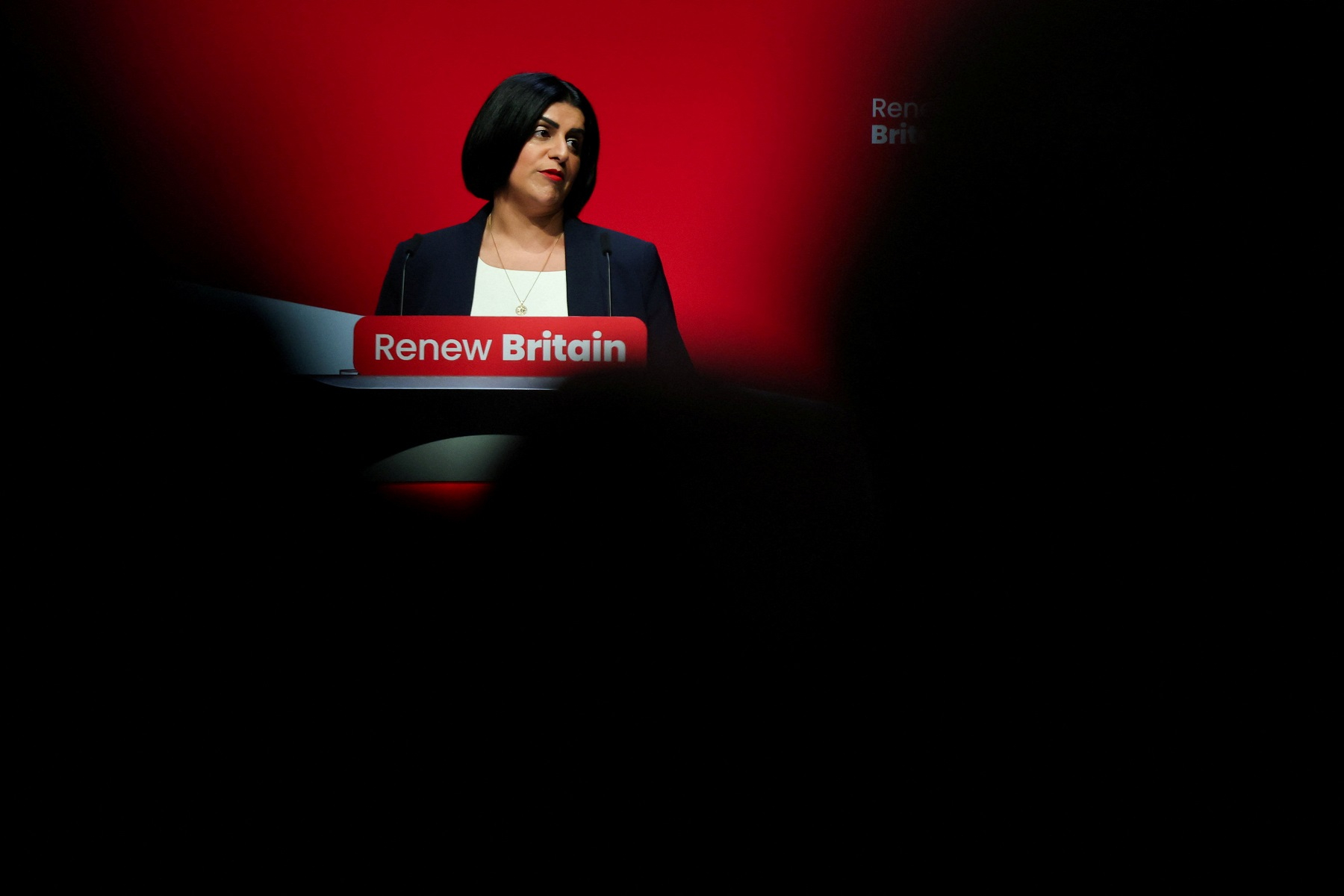
Interior minister Shabana Mahmood will outline changes to how the European Convention on Human Rights (ECHR) should be interpreted by courts to give the government greater control over who can remain in Britain, and who must leave.
“These reforms will block endless appeals, stop last minute claims and scale up removals of those with no right to be here,” Prime Minister Keir Starmer, a former human rights lawyer, said in a statement.
In what the government says is the most sweeping asylum policy overhaul of modern times, Mahmood will also announce plans to make refugee status temporary and to quadruple the length of time refugees will have to wait for permanent settlement in Britain.
The government also threatened visa bans on Angola, Namibia and the Democratic Republic of Congo unless those countries accepted the return of illegal migrants and criminals.
Under Mahmood’s proposals, the government wants to change the interpretation of Article 8 of the ECHR, governing the right to a family life. It would make clear that a family connection means immediate family, such as a parent or child, preventing people from “using dubious connections to stay in the UK”.
It added that Britain would also work with like-minded countries to review the application of Article 3, which prohibits torture, noting the “definition of ‘inhuman and degrading treatment’ has expanded beyond what is reasonable”, making it too easy to challenge deportations.
In the year to the end of March, 109,343 people claimed asylum in Britain, up 17% on the previous 12 months. Still, fewer people claim asylum in Britain than in its EU peers France, Germany, Italy or Spain.
With most migrants arriving legally, net migration reached a record high of 906,000 in the year to June 2023, before it fell to 431,000 in 2024, reflecting tighter rules.