Assassinating Minds and Command: Key Victims of the June 13 Strike on Iran

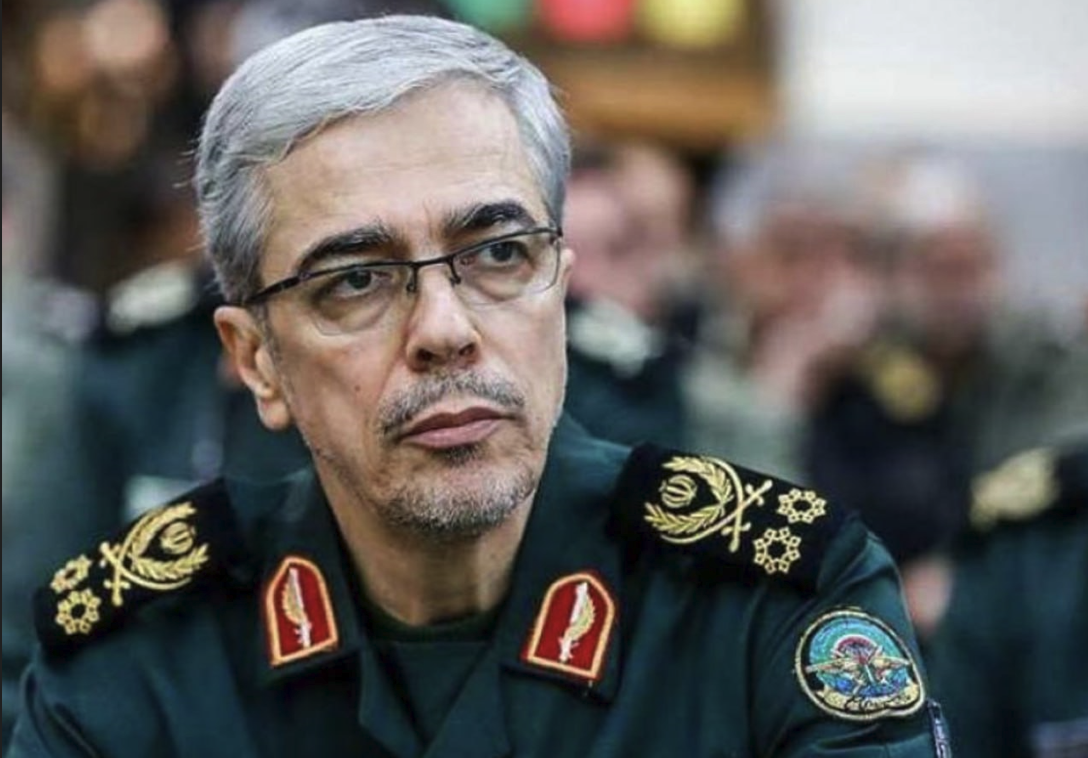
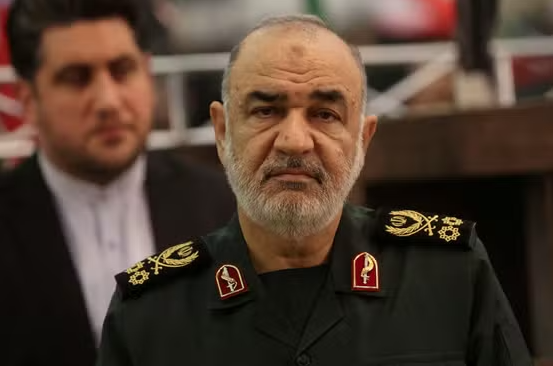
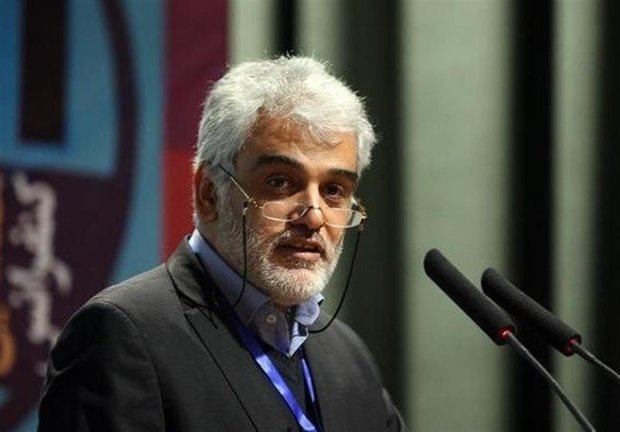
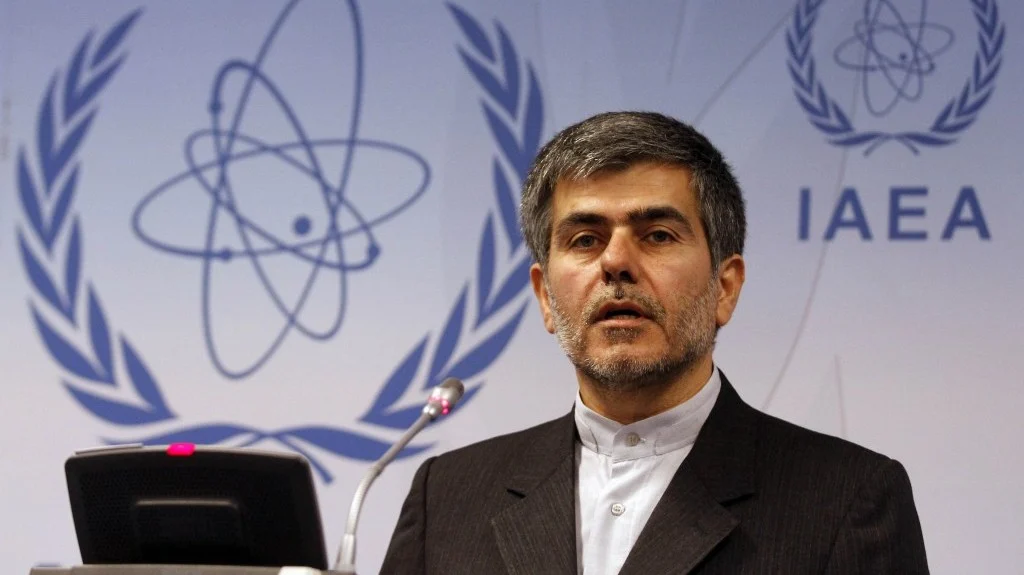
Iran is mourning the loss of several senior military commanders and leading nuclear scientists following a major airstrike carried out by the Zionist entity on multiple locations across the country in the early hours of June 13, 2025. The unprecedented attack, confirmed by Supreme Leader Ayatollah Ali Khamenei, dealt a heavy blow to Iran’s strategic leadership. Khamenei assured the nation that “their successors and comrades will immediately continue their duties.”
Hossein Salami
Hossein Salami, born in 1960 near Golpayegan in Isfahan Province, was a prominent military figure and former commander of the Islamic Revolutionary Guard Corps (IRGC). A mechanical engineering graduate from Tehran, he joined the IRGC during the Iran-Iraq War and rose through the ranks, leading various units in critical battles.
In 1992, Salami founded the IRGC’s Command and Staff University in Tehran and held key leadership roles, including Deputy Head of IRGC Operations and Commander of the IRGC Air Force. In 2019, he was appointed Commander-in-Chief of the IRGC by Ayatollah Khamenei. He had long been a target of U.S. sanctions, most notably in 2019.
Mohammad Baqeri
Major General Mohammad Hossein Baqeri, also known as Mohammad Hossein Afshordi, served as Chief of Staff of Iran’s Armed Forces since 2016. Born in 1958 and the brother of the late Hassan Baqeri, he was a veteran of the Iran-Iraq War and an influential figure in the IRGC’s intelligence and operations divisions.
After being forced to abandon his university studies due to the cultural upheavals of the 1980s, he joined the IRGC and later earned a PhD in geopolitics. Bagheri was a university lecturer and held several senior military posts. He was sanctioned by the U.S., Canada, the EU, and Switzerland for his role in military operations and alleged human rights abuses.
Fereydoon Abbasi-Davani
Fereydoon Abbasi, a prominent nuclear physicist and brigadier general in the IRGC, played a key role in Iran’s nuclear development. Born in 1958 in Abadan, he obtained a PhD in nuclear physics from Shahid Beheshti University and began his military service in 1978.
Abbasi served as head of the Atomic Energy Organization of Iran from 2010 to 2014 and later represented Kazerun in parliament. He survived a previous Zionist assassination attempt in 2010, which left him and his wife injured. Until his death, he remained a leading figure in Iran’s scientific and political arenas.
Mohammad Mehdi Tehranchi
Born in 1965 in Tehran, Mohammad Mehdi Tehranchi was one of Iran’s foremost nuclear physicists and an influential academic leader. He earned multiple degrees in physics from Shahid Beheshti University and furthered his education in Moscow and Italy.
He served as president of both Shahid Beheshti University and the Islamic Azad University, authored over 150 scientific articles, and held eight patents. Tehranchi was also a member of Iran’s Supreme Council of the Cultural Revolution and was honored with a top national science medal. In 2020, he was sanctioned by the U.S. for his involvement in Iran’s nuclear activities.
Other Figures Killed or Injured
Among the other casualties was Major General Gholam Ali Rashid, commander of the Khatam al-Anbiya Central Headquarters, as well as nuclear engineering professor Ahmad Reza Zolfaghari.
Iranian media also reported unconfirmed claims that Ali Shamkhani, senior advisor to the Supreme Leader, was critically injured and transferred to hospital care.
The June 13 Zionist strike marked a critical escalation in the regional conflict, decapitating key figures from Iran’s military and nuclear establishments and prompting fears of a wider confrontation.