Algeria wraps up UNSC presidency with key wins for Arab and African causes

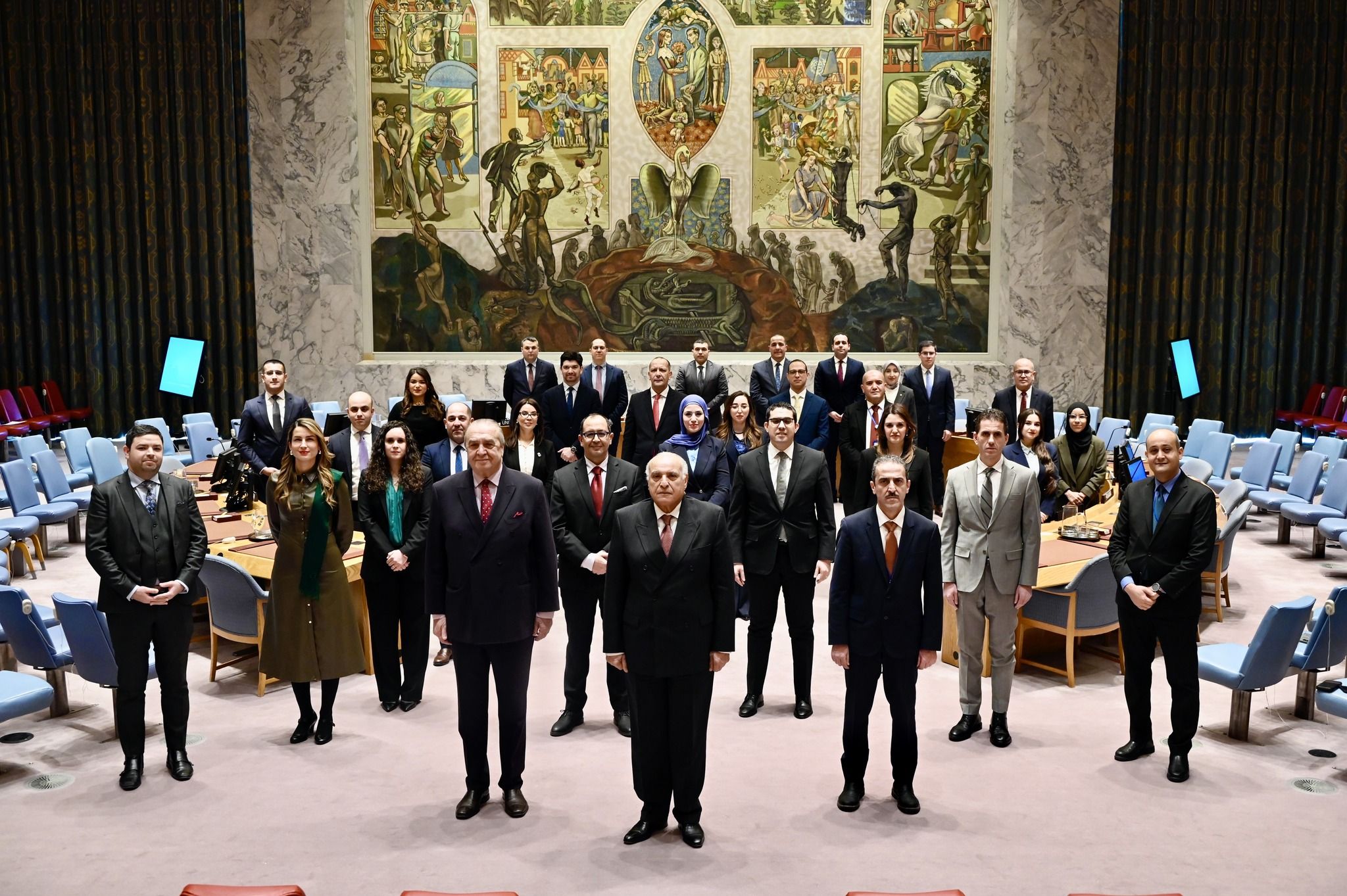
NEW YORK (United Nations) – China assumes on Saturday the rotating presidency of the UN Security Council for the month of February, succeeding Algeria, which concluded its presidency with positive outcomes that reinforced peace and security and focused on defending Arab and African causes.
During Algeria’s presidency of the UN Security Council in January, which consists of 15 member states—five permanent members with veto power (China, Russia, France, the UK, and the US) and 10 non-permanent members elected for two-year terms by the General Assembly (including Algeria, Guyana, South Korea, Sierra Leone, Slovenia, Somalia, Pakistan, Panama, Denmark, and Greece)—the Council achieved 9 outcomes and 4 resolutions, with no use of the veto. Additionally, 16 ministerial meetings on the Middle East and 9 meetings on African issues were held.
Algeria’s presidency saw over 85 participants from non-member states and 37 open meetings, along with closed consultations. Three presidential statements were issued, alongside briefings from the UN Secretary-General, the Deputy Secretary-General, the Arab League Secretary-General, the African Union’s Peace and Security Commissioner, UN agency heads, assistant secretaries-general, and special envoys.
Throughout Algeria’s presidency, the country dedicated 75 hours to meetings, placing Arab and African issues at the forefront of its diplomatic efforts.
Under the guidance of President Abdelmadjid Tebboune, Algeria raised key global peace and security issues, including the Palestinian cause, threats to the operation of the UN Relief and Works Agency for Palestine Refugees (UNRWA), and the crises in Lebanon, Syria, Yemen, Libya, Sudan, the Democratic Republic of Congo, Haiti, and Colombia, with a particular focus on counterterrorism efforts in Africa.
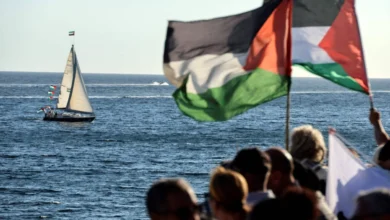
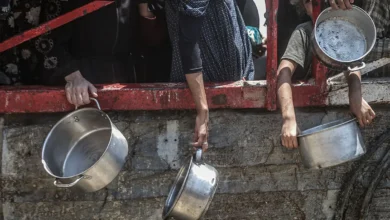
Algeria’s presidency recommended that the Security Council uphold its responsibilities in ensuring the implementation of the Palestinian-Israeli ceasefire agreement, advocating for a serious political process under UN guidance to achieve a just solution to the Palestinian issue. In this regard, Algeria reiterated its commitment to supporting the Palestinian people, meeting their humanitarian needs, and contributing to the national reconciliation process.
Moreover, Algeria stressed the importance of collaboration between the Arab League and the UN to shield Lebanon from ongoing instability, underscored the need to support Syria in its efforts to restore peace, security, and sovereignty, and called for an end to military interventions disrupting peace efforts in Yemen. It also succeeded in securing a historic decision allowing the Libyan Investment Authority to reinvest its frozen assets in international financial institutions, preserving their value. Algeria further compelled the Sanctions Committee to update Libyan authorities on the status of their frozen assets, providing Libya with a better opportunity to track these funds.
Regarding counterterrorism in Africa, Algeria presented its vision for addressing terrorism and extremism, focusing on both the root causes and the security consequences. The African Union’s Commissioner for Political Affairs, Peace and Security, Ambassador Bankole Adeoye, expressed gratitude for Algerian President Abdelmadjid Tebboune’s continued support for continental efforts against terrorism. The Security Council also adopted a presidential statement recognising President Tebboune’s role as a leading advocate for the African Union’s fight against terrorism.