Algeria–Tunisia Trade Up 42% in Three Years, Attaf Highlights Strong Economic Momentum

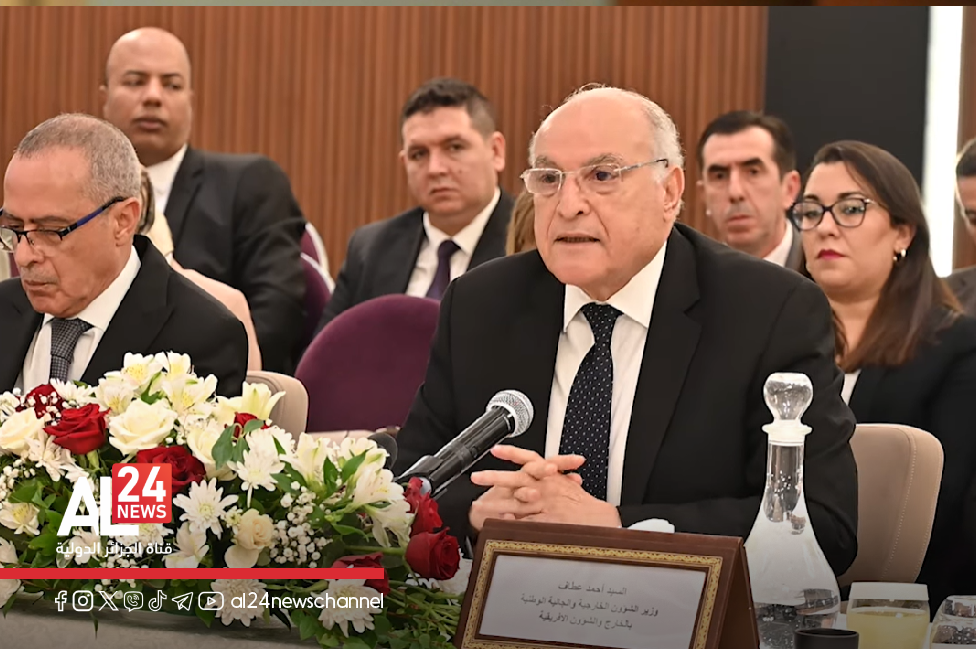
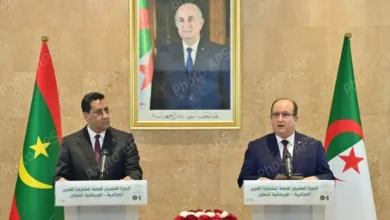
Bilateral trade between Algeria and Tunisia has grown by 42 percent over the past three years, reaching around 2.3 billion USD in 2024, a development hailed Thursday in Tunis by the Algerian Minister of State, Minister of Foreign Affairs, the National Community Abroad and African Affairs, Ahmed Attaf.
Co-presiding the meeting of the Algerian-Tunisian Follow-up Committee with his Tunisian counterpart, Mohamed Ali Nafti, Attaf said this upward trajectory in economic ties reflects the “remarkable dynamism” marking relations between the two neighboring countries.
He underscored that the steady rise in trade has been accompanied by a diversification of joint investments, which now extend beyond energy into pharmaceuticals, agriculture and services. Attaf added that both sides aim to raise commercial exchanges even further and broaden investment opportunities in strategic sectors, including technological development and renewable energies.
While emphasizing economic progress, the minister reaffirmed that the privileged relationship between Algeria and Tunisia is rooted in deep historical, geographic and human ties. He noted that political and security coordination remains regular and closely aligned, reflecting the traditions established by Presidents Abdelmadjid Tebboune and Kaïs Saïed.
Attaf highlighted converging positions on major regional issues, including unwavering support for the Palestinian cause and combined efforts toward resolving the Libyan crisis, as well as joint actions against terrorism and transnational crime.
On the human-dimension front, the minister welcomed measures taken to strengthen people-to-people ties, such as enhanced land and air transport services and the resumption of rail links. The significant flow of Algerian tourists to Tunisia in 2024, he noted, underscores the importance of deepening these connections.
He also stressed the priority given by both countries to the development of border regions, which serve as crucial points of contact between citizens and require a comprehensive development approach.
Despite the positive indicators achieved so far, Attaf said bilateral cooperation “remains perfectible,” calling for greater trade volumes, more diversified investments and the implementation of the shared strategic vision for border-area development.