Algeria is aiming to produce 2 million tons of green hydrogen between 2030 and 2040, representing 10% of the expected European demand during that period as part of its national hydrogen strategy announced in March 2023. The country aspires to become a significant hub for hydrogen production and export on a global scale and expects the Ministry of Energy to generate revenues estimated at $10 billion annually by 2040.
In this context, Algeria is making significant strides towards becoming a major player in the green hydrogen market, especially with the recent signing of an agreement to fund a feasibility study for a groundbreaking project aimed at exporting green hydrogen to Europe. Central to this initiative is the construction of a massive pipeline, the “SoutH2 Corridor,” which will connect Algeria to Europe via Tunisia, with the final destinations being Germany, Italy, and Austria. This report will explore the key developments and the strategic implications of this collaboration, highlighting Algeria’s commitment to sustainable energy and its growing ties with European countries.
The Green Hydrogen Project and the SoutH2 Corridor:
The proposed pipeline, known as the “SoutH2 Corridor,” is an ambitious venture that seeks to position Algeria as a leading exporter of green hydrogen to Europe. This pipeline will pass through Tunisia, strengthening regional cooperation and enabling the transportation of green hydrogen to key European markets, including Germany, Italy, and Austria. The project has garnered support from both Algerian and European energy companies, with Algeria’s Sonatrach and Sonelgaz signing a memorandum of understanding with several European firms, led by Germany’s VNG.
In addition, Sonatrach is preparing to sign another memorandum of understanding with the Spanish company Cepsa for a 200-megawatt green hydrogen production project, with a focus on exporting the hydrogen to Spain. This highlights Algeria’s growing role as a key energy supplier to Europe and its strategic importance in the green hydrogen market.
Algeria’s Green Hydrogen Potential:
Algeria’s competitive advantage in green hydrogen production lies in its low production costs, estimated at $1.2 to $2 per kilogram, compared to the much higher costs in Europe, which can reach up to $6 per kilogram. This cost-effectiveness is driven by Algeria’s abundant solar resources, which provide a sustainable and affordable energy source for hydrogen production.
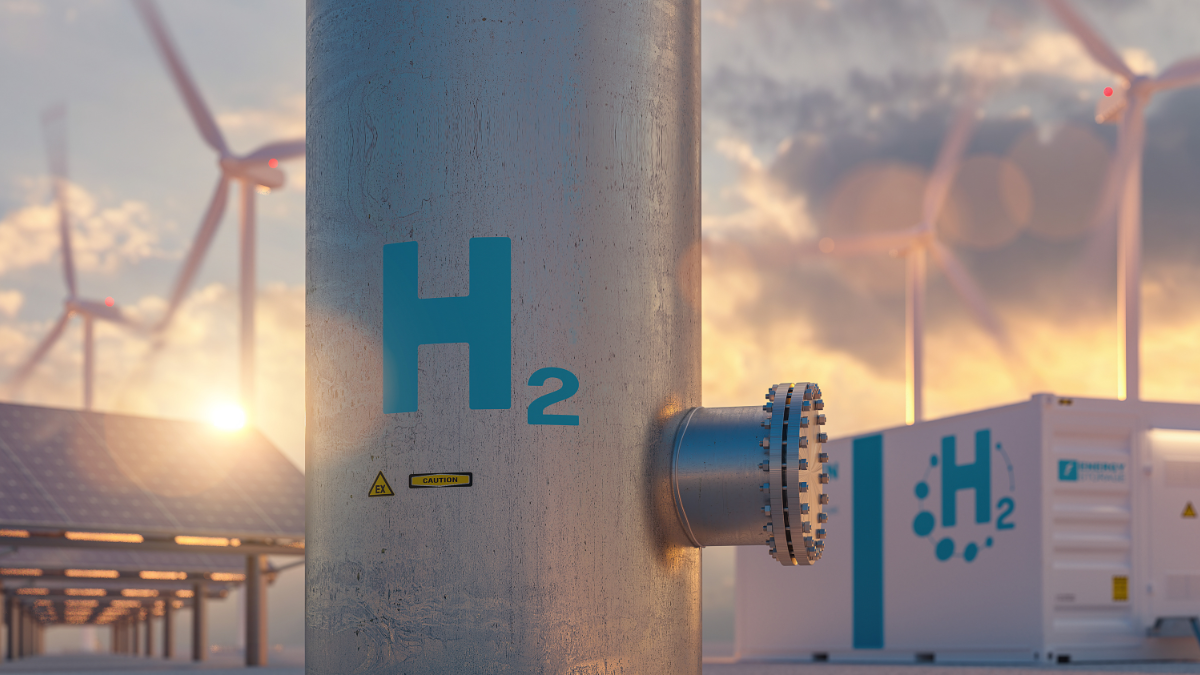
Green hydrogen, a clean and renewable energy source, is produced through the electrolysis of water using renewable energy like solar or wind. This fuel can be used for various applications, including electricity generation and transportation, making it a key component of future energy systems aimed at reducing carbon emissions.
Challenges and Strategic Developments:
Despite its potential, the green hydrogen sector in Algeria faces several challenges, including the need for a robust regulatory framework and the high costs of production infrastructure. During the 12th edition of the “Africa & Mediterranean Energy & Hydrogen Exhibition and Conference” (NAPEC 2024) in Oran, experts emphasized the importance of regulatory development to enable the growth of the hydrogen industry. Badreddine Boutaghriout, Sonatrach’s project manager, highlighted the need for regulations to support the hydrogen value chain, while Lounis Lamia from Sonatrach’s Strategy, Planning, and Economy Directorate pointed to the importance of technological advancements to reduce production costs.
Tunisia’s Role in the Project:
Tunisia plays a pivotal role in the SoutH2 Corridor, acting as a key transit hub for the green hydrogen destined for Europe. The collaboration between Algeria and Tunisia in this project reflects a shared commitment to energy transition and sustainability. By facilitating the transportation of hydrogen to Europe, Tunisia enhances its strategic position in the global energy landscape and strengthens its economic ties with both Algeria and European markets.
The development of the SoutH2 Corridor marks a new era in Algeria’s energy strategy, positioning the country as a critical supplier of green hydrogen to Europe. By leveraging its vast solar resources and regional cooperation with Tunisia, Algeria is poised to meet the growing European demand for clean energy while promoting economic and environmental sustainability. As the project progresses, it will not only foster stronger economic relations between Algeria, Tunisia, and Europe but also play a significant role in the global shift towards renewable energy sources.