‘Algeria, a Starting Point of a Universal Message of Peace’ (Archbishop of Algiers)

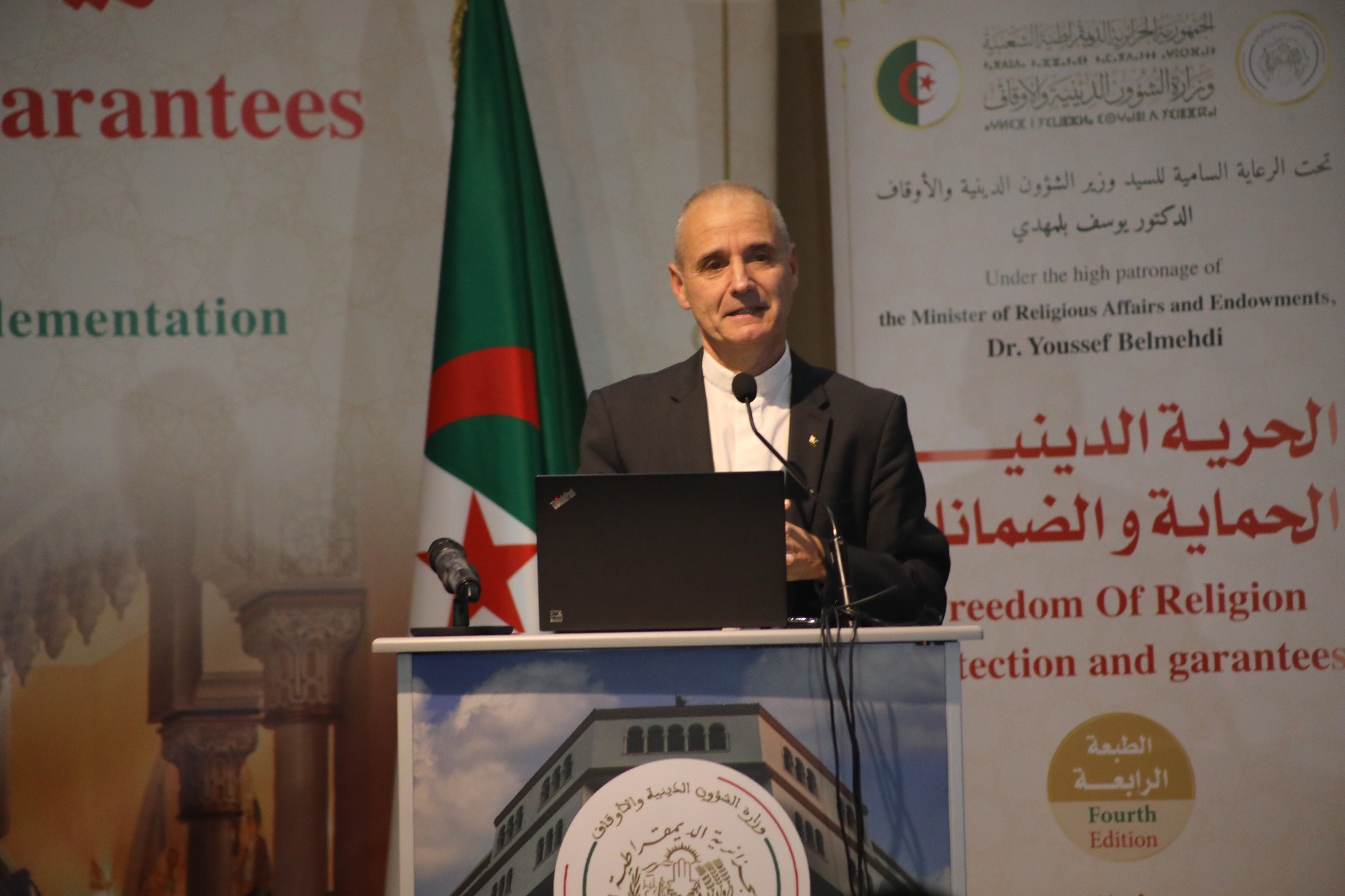
ALGIERS, April 7, 2026 – The Archbishop of Algiers, Cardinal Jean-Paul Vesco, stated that the historic visit of Pope Leo XIV to Algeria represents a strong signal and a testament to coexistence, making Algeria the starting point of a universal message of peace.
In an interview with APS, Cardinal Vesco explained that this first visit by a sovereign pontiff to Algeria, at the invitation of the President of the Republic, Abdelmadjid Tebboune, acts as a bridge between the Christian and Muslim worlds, while reflecting the richness of the country’s history.
He noted that Pope Leo XIV’s stay in Algeria will be “full of meaning,” both in its spiritual dimension and symbolic significance, stressing that “it is a leading Christian spiritual figure visiting a Muslim country.”
“This is a very good sign that restores depth to Algeria’s great history, the land of Saint Augustine,” he said.
Recalling that Pope Leo XIV is already familiar with Algeria, having visited it twice before his pontificate, Vesco indicated that this visit aims to “continue building bridges” between the two cultures and religions, while highlighting Algeria’s strategic position at the crossroads of the Mediterranean and Africa.
Addressing the common ground between Algeria and the Vatican, the prelate emphasized their “shared commitment” to supporting oppressed peoples and promoting coexistence.
This ambition, he said, is embodied in the theme of the visit: the traditional greeting “As-salamu alaykum” (Peace be upon you).
According to the Archbishop of Algiers, the Pope arrives as a “man of peace,” carrying a message that the world today “desperately needs.”
“I would be happy if this message is heard from Algeria,” he added, noting that it will emerge from genuine dialogue, making Algeria the starting point of a global call for peace.
He stressed that this call should encourage believers of all faiths to unite in respect for a shared humanity to put an end to violence and wars.
On this point, he said combating hate speech and violence—what he described as “discourses of fear and fragility”—requires, above all, a confident and secure identity.
“When one is secure in their identity, they do not resort to hate speech,” he argued, calling for “a shared commitment against fundamentalism to build a world based on mutual respect.”
French colonization of Algeria left deep wounds and lasting scars
On the issue of memory, the Archbishop of Algiers acknowledged the extent of the “violence” and “colonial crime,” stressing that 130 years of colonization left deep wounds and lasting scars, particularly through the consequences of nuclear tests in southern Algeria.
“There is a wound because there was humiliation, and it cannot simply be erased,” he said, regretting the lack of “words of truth” regarding that period.
Drawing on his dual French and Algerian background, the prelate expressed hope for a frank recognition of the suffering endured in order to “turn the page.”
He stated that he had called on the Pope, as well as relevant authorities, for former colonial powers to assume their historical responsibility. “I ask this of the Pope just as I have asked all those in a position to do so,” he insisted.
Having lived in Algeria for over twenty years and now a naturalized Algerian, Cardinal Vesco concluded by expressing his attachment to his “adopted homeland,” saying he has been deeply marked by the generosity of the Algerian people.
“Here, you will always be in debt of friendship. You can never repay the friendship you are given. For more than 20 years, I can confirm the truth of that,” he said.