Countdown to Chaos: Global markets on edge as Iran threatens wider retaliation amid Trump’s ultimatum

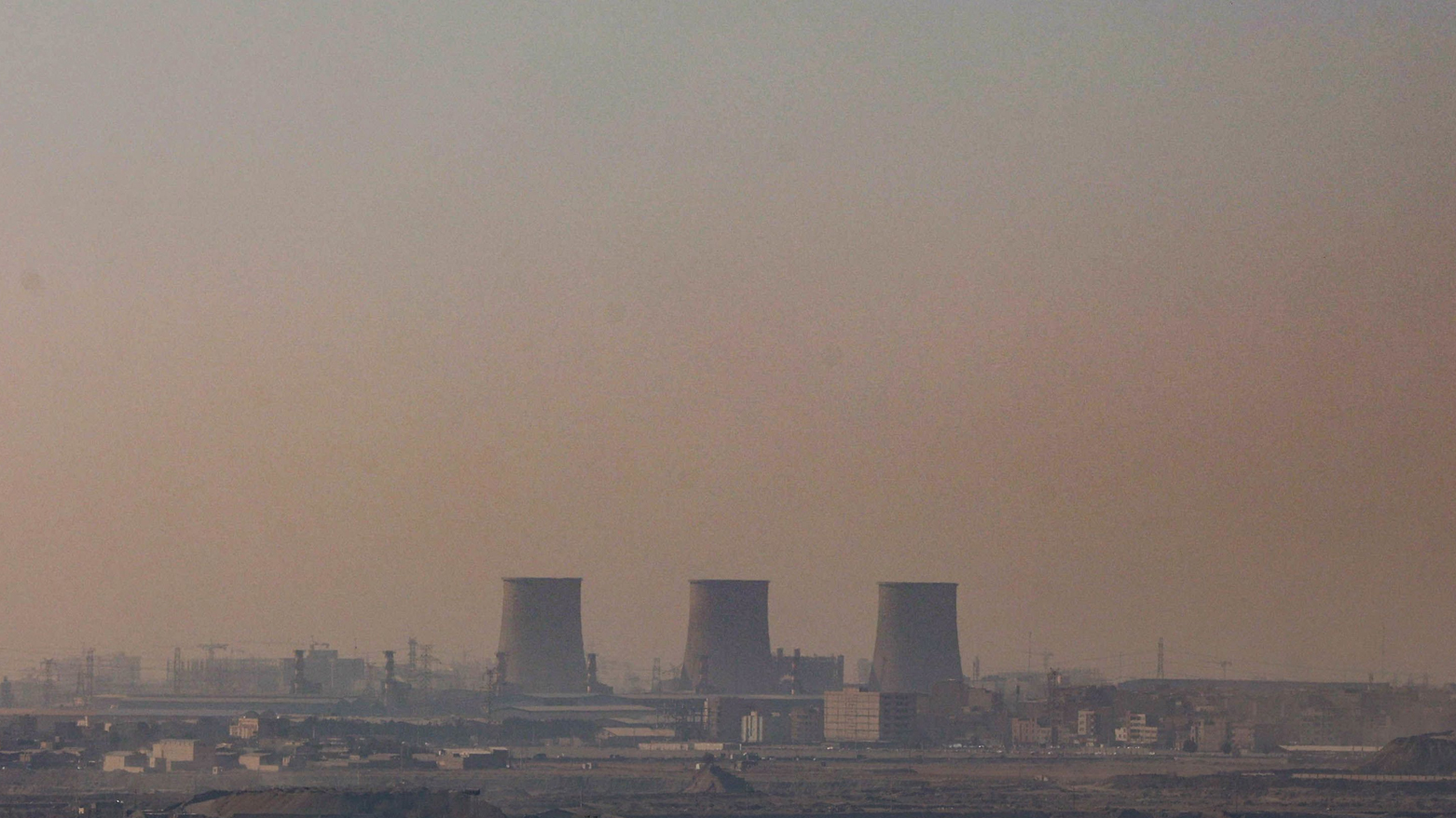
Iran warned on Sunday that any strike on its energy facilities would prompt attacks on U.S. and Zionist energy and infrastructure assets — specifically information technology and desalination facilities — in the region, according to a statement citing an Iranian military spokesperson carried by state media and semiofficial outlets.
This comes as U.S. President Donald Trump on Saturday threatened to “obliterate” Iran’s power plants if Tehran did not fully reopen the Strait of Hormuz within 48 hours, in a significant escalation barely a day after he talked about “winding down” the war, now in its fourth week.
“If Iran doesn’t fully open, without threat, the Strait of Hormuz, within 48 hours from this exact point in time, the United States of America will hit and obliterate their various power plants, starting with the biggest one first,” Trump wrote on his social media platform Truth Social.
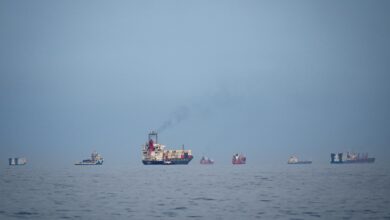
In return, Iran’s Permanent Representative to the International Maritime Organization, Seyed Ali Mousavi, said in remarks carried by two Iranian news agencies that navigating the strait would be possible for “everyone except enemies” — indicating Tehran would determine which vessels are allowed passage. Iran has already approved the passage of ships through the waterway to China and elsewhere in Asia.
Iran’s largest power plants include the Damavand facility near Tehran, the Kerman plant in the southeast and Ramin in Khuzestan province, all of which have much greater generation capacity than Iran’s sole nuclear plant at Bushehr on the southern coast.
For context, the Islamic republic’s power grid is deeply intertwined with its energy sector. Striking major plants could trigger blackouts, crippling everything from pumps and refineries to export terminals and military command centres.
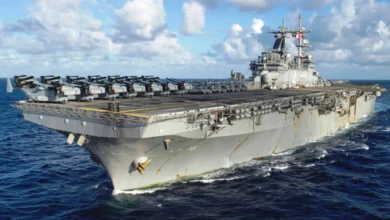
Accordingly, Trump’s ultimatum and Iran’s retaliation threats signaled the war in the Middle East was moving in a dangerous new direction, especially that U.S. Marines and heavy landing craft continue to head to the region.
Meanwhile, American voters appear increasingly concerned at signs the war could expand. Energy price shocks are fuelling inflation, hitting consumers and businesses hard – a major political liability for Trump as he seeks to justify the war to the U.S. public before November elections in which he could lose control of Congress, according to Reuters.
“President Trump’s threat has now placed a 48-hour ticking time bomb of elevated uncertainty over markets. If the ultimatum is not walked back, we will likely see a Black Monday reopening of global equity markets in free fall and oil prices spiking significantly higher,” said IG market analyst Tony Sycamore.
Strike Near Dimona
The Iranian forces had for the first time fired long‑range missiles against the Zionist entity, landing near the secretive nuclear reactor about 13 km (8 miles) southeast of Dimona.
“If the Israeli regime is unable to intercept missiles in the heavily protected Dimona area, it is, operationally, a sign of entering a new phase of the battle,” Iran’s Parliament Speaker Mohammad Bagher Ghalibaf said on X.
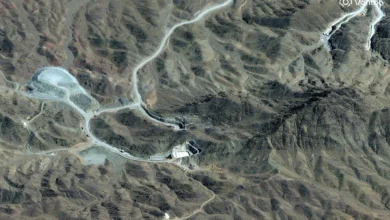
These Iranian strikes came after Tehran’s main nuclear enrichment site at Natanz was hit earlier on Saturday.
The International Atomic Energy Agency has said the bulk of Iran’s estimated 972 pounds (441 kilograms) of enriched uranium is elsewhere, beneath the rubble at its Isfahan facility. It said on X it was looking into the strike.
The Pentagon declined to comment on the strike on Natanz, which was also hit in the first week of the ongoing war and in the 12-day war last June. Russian Foreign Ministry spokesperson Maria Zakharova said such strikes posed a “real risk of catastrophic disaster throughout the Middle East.”
So far in Iran, the death toll in the war has surpassed 1,500, the state broadcaster reported Saturday, citing the health ministry. Meanwhile, at least 13 U.S. military members have been killed.
And in Lebanon, the Zionist strikes have killed more than 1,000 people and displaced more than 1 million, according to the Lebanese government.