Middle East war intensifies as aggression against Iran enters second week with no end in sight

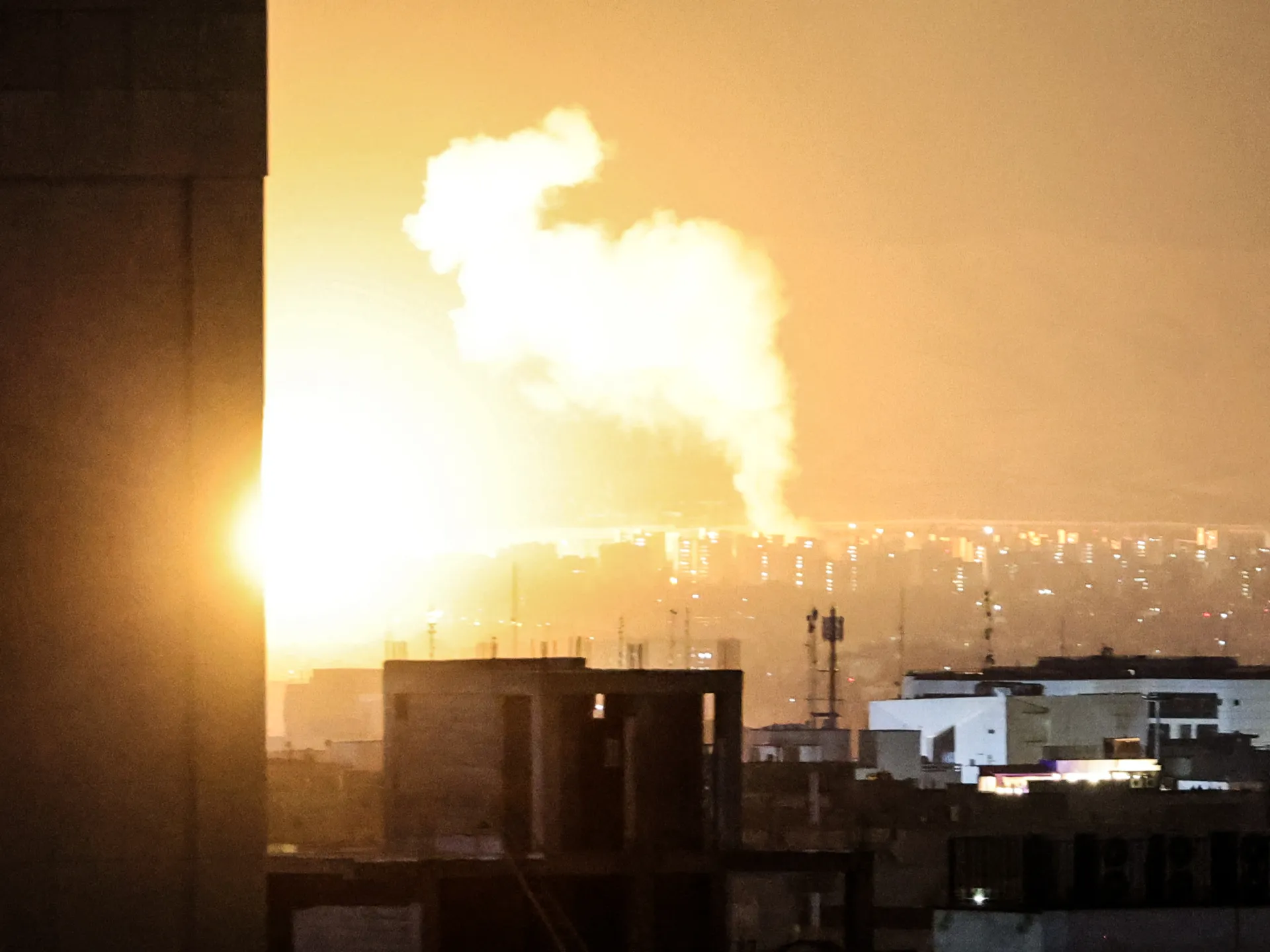
The war in Iran entered its second week on Saturday with uncertainty growing about when hostilities will end, as U.S. President Donald Trump demanded Tehran’s “unconditional surrender”, with “Israel” attacking both Iran and Lebanon.
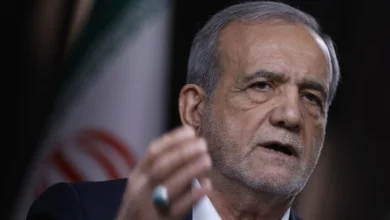
Trump’s comments came hours after Iranian President Masoud Pezeshkian posted on social media that unnamed countries had begun mediation efforts.
“There will be no deal with Iran except UNCONDITIONAL SURRENDER!” Trump wrote on his Truth Social platform on Friday.
“After that, and the selection of a GREAT & ACCEPTABLE Leader(s), we, and many of our wonderful and very brave allies and partners, will work tirelessly to bring Iran back from the brink of destruction, making it economically bigger, better, and stronger than ever before,” he added.
Trump, however, has offered shifting explanations of his war aims, raising the possibility of an extended conflict that has already spilled well beyond Iran’s borders, shaken global financial markets and sent oil prices soaring.
Early Saturday, explosions sent up clouds of dark smoke in the Iranian capital city, and Tehran retaliated by firing missiles at the Zionist entity as the United States warned of a forthcoming bombing campaign that officials said would be the most intense yet in the weeklong conflict.
This comes as the Trump administration approved a new $151 million arms sale to “Israel”. Meanwhile, Iran’s U.N. ambassador said the country would “take all necessary measures” to defend itself.
So far, the aggression against Iran has killed at least 1,332 Iranian civilians and wounded thousands.
As the escalation stretched across the Middle East, sirens sounded early Saturday in Bahrain as Iranian attacks targeted the island kingdom. And Saudi Arabia said it destroyed drones headed toward its vast Shaybah oil field and shot down a ballistic missile launched toward Prince Sultan Air Base, which hosts U.S. forces.
Qatar’s energy minister, Saad al-Kaabi, warned in an interview with the Financial Times that the war could “bring down the economies of the world,” predicting a widespread shutdown of Gulf energy exports that could send oil to $150 a barrel, with the Strait of Hormuz effectively shut.
The price for a barrel of benchmark U.S. crude rose above $90 on Friday for the first time in more than two years.
Lebanon Under Fire
The Zionist forces have expanded the war in Lebanon, pounding Beirut on Friday after ordering an unprecedented evacuation of the capital’s entire southern suburbs.
“We’re sleeping here in the streets – some in cars, some on the street, some on the beach,” said Jamal Seifeddin, 43, who fled Beirut’s southern suburbs and spent the night on the streets in the downtown district.
According to the Norwegian Refugee Council, about 300,000 people have been displaced in Lebanon in the past four days.
The Zionist strikes has also killed at least 217 people and wounded 798 others since Monday.