MSF Warns of “Absolutely Catastrophic” Humanitarian Situation in Gaza

The humanitarian situation in Gaza is “absolutely catastrophic,” the NGO Médecins Sans Frontières (Doctors Without Borders – MSF) warned on Tuesday.
The organization denounced the administrative obstacles imposed by the Zionist entity, which has revoked the operating licenses of 37 NGOs for refusing to surrender the personal data of their Palestinian staff.
“To grasp the magnitude of this decision, one must understand the gravity of the current situation in Gaza, which is absolutely catastrophic,” Claire San Filippo, MSF’s emergency operations manager in Palestine, told the press.
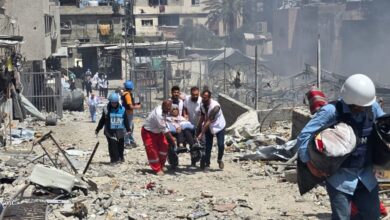
According to the MSF official, “the health system has collapsed after being targeted during the last two years of bombing and restrictions.” She added that 1,700 medical personnel have been killed, including 560 humanitarian workers, 15 of whom were from MSF.
The entry into force of the ceasefire agreement last October has not led to any tangible improvement on the ground. The entry of medical supplies, fuel, and humanitarian aid remains severely restricted.
“We continue to see people killed or wounded almost daily by bombing or shooting (by the occupying army), which has already caused hundreds of deaths since the ceasefire,” she lamented.
She further noted that in health facilities supported by her organization, MSF “continues to receive the wounded, victims of trauma and multiple injuries, burn victims, pregnant women, malnourished children, and those suffering from illnesses due to dire living conditions and malnutrition, which weaken their immune system.” These casualties add to the appalling toll of the last two years of genocide in Gaza.
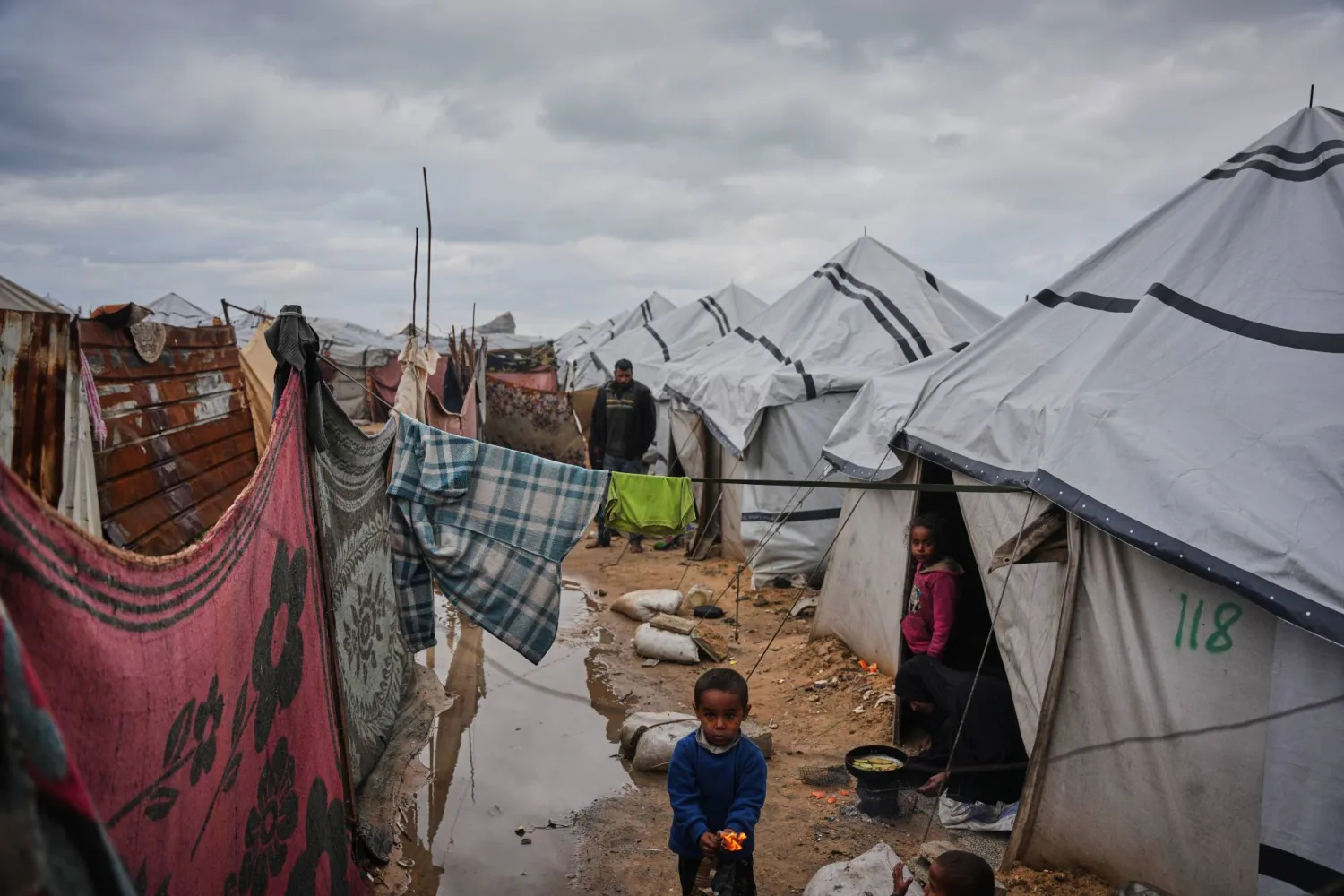
“More than 71,000 deaths have been recorded according to the Ministry of Health,” San Filippo pointed out, “not counting the bodies buried under the rubble that families have not yet been able to recover, or those who died due to a lack of access to healthcare.” While displaced families living in worn-out tents or makeshift shelters have endured prolonged rains, high winds, and freezing temperatures, humanitarian teams have been warning for weeks about the risks to young children, especially those suffering from malnutrition, in shelters that are regularly flooded.
“The majority of our outpatient consultations at MSF are a direct result of these harsh living conditions, including cases of diarrheal diseases, respiratory infections, and skin infections. These conditions are exacerbated by extremely limited access to water and hygiene,” explained San Filippo.
In this catastrophic context, “it is essential to be able to increase humanitarian aid, not prevent it,” she stressed.