2025 US Government Shutdown: Partisan Battles Over Healthcare and Spending Push America Into Crisis

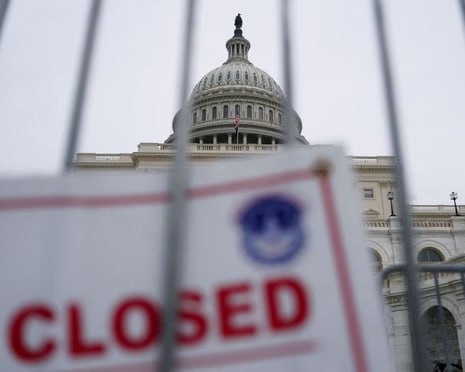
The 2025 US government shutdown began on October 1, 2025, after Congress failed to agree on the federal budget for fiscal year 2026. The deadlock stems largely from partisan clashes over healthcare protections, federal spending cuts, and the inclusion of policy riders in short-term funding bills.
At the heart of the dispute are healthcare provisions tied to the Affordable Care Act (ACA). Democrats insist on extending ACA premium tax credits, which are due to expire by the end of 2025 and could affect 20 million Americans. Without action, premiums are expected to surge, leaving up to 5 million people without coverage. Republicans, however, argue these credits are “wasteful entitlements” and excluded them from their proposed “clean” continuing resolution, framing the health provisions as unrelated policy riders.
The shutdown is also tied to President Trump’s push for sweeping cuts in federal spending and the workforce. His administration has proposed reducing the federal workforce by 20–30% and cutting $2 trillion in overall spending. Democrats condemned these measures, accusing the administration of using the shutdown as cover to issue Reduction in Force (RIF) notices, forcing layoffs without congressional approval. They argue this strategy violates long-standing norms and undermines social programs.
Compounding the crisis, both parties have loaded appropriations bills with competing policy riders. Republicans seek to enforce cuts from an earlier rescissions package, including $7 billion in reductions to agriculture programs. Democrats, in contrast, are demanding expanded funding for housing and disaster relief following recent hurricanes. With both sides unwilling to concede, the stalemate has left Congress paralyzed.
Beyond budgetary disputes, political strategy plays a central role. Republicans are portraying the shutdown as “Democrat-driven,” emphasizing fiscal discipline and framing cuts as part of their promise to “drain the swamp.” Democrats are focusing on public outrage over delayed tax refunds, closed national parks, and mounting healthcare uncertainty. They are betting that voters will punish Republicans for their hardline stance ahead of the 2026 midterms.
The shutdown will remain in effect until a deal is reached. Negotiations continue, but deep divisions over healthcare, spending priorities, and defense funding suggest a prolonged standoff. With the 2026 elections on the horizon, political calculations may overshadow compromise, leaving the US economy and millions of citizens to bear the cost of uncertainty and disruption.