At some point, we stopped listening to the Earth.
We were busy progressing, expanding, building… even at the expense of what we built upon.
We planted concrete instead of trees, filled the skies with our smoke, and said: this is “development.”
But what if what we call “growth” is nothing but a slow suicide?
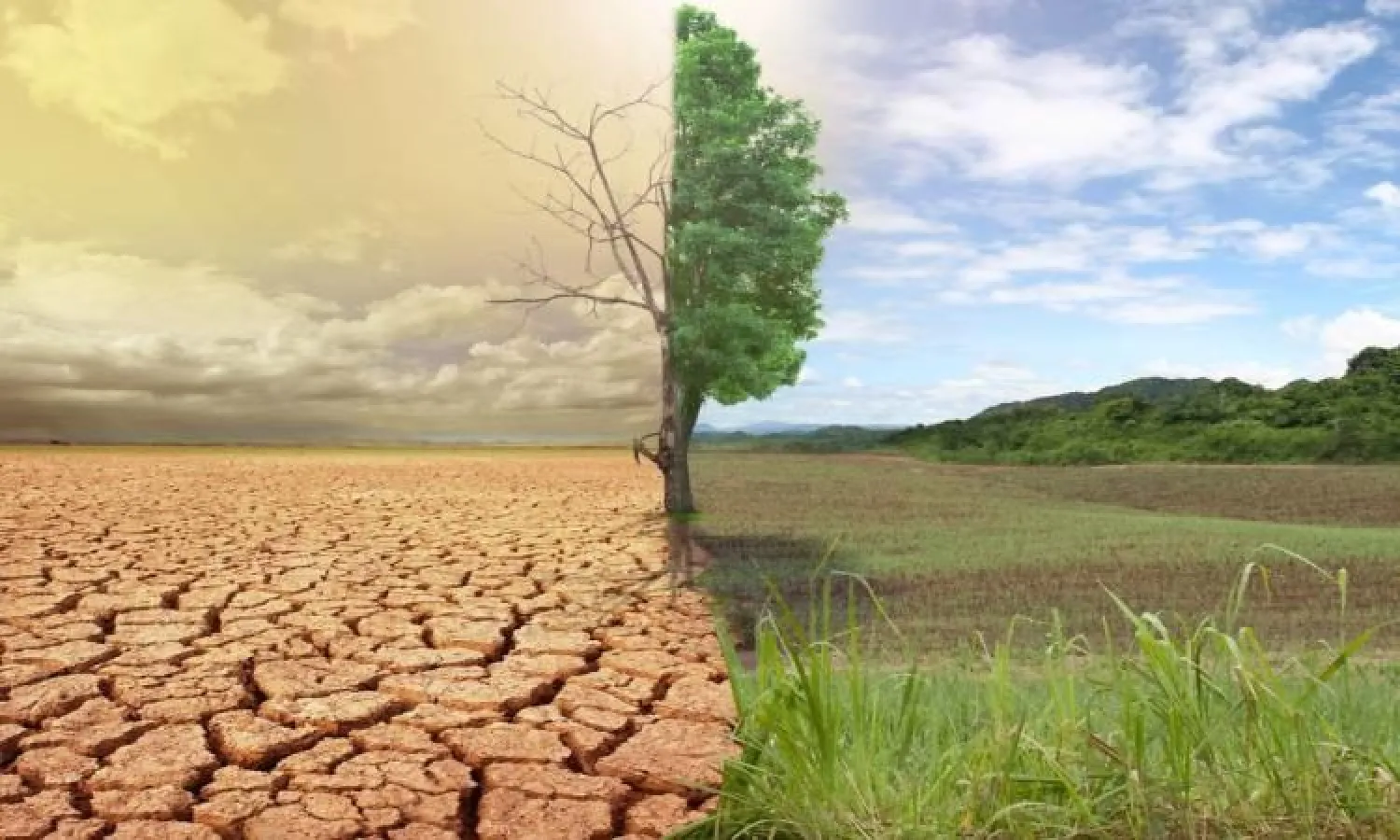
Climate change is not just a disruption in the weather; it is a fundamental imbalance in the relationship between humans and nature.
It is the result of collective selfishness… and an unannounced punishment.
It is the planet’s protest— not written in words, but expressed through fires, floods, melting ice, and silence.
In this article, we will not try to deny this anger, but rather dissect its causes.
We will trace the impact of our actions on the Earth’s map and ask ourselves:
Is there still room to turn back? Or is it already too late?
Climate Change: Beyond the Phenomenon
Climate change cannot be reduced to temperature numbers or scenes of natural disasters.
It is a profound condition that stems from the conflict between humans and their environment.
As carbon dioxide levels rise, an existential question rises with it:
Are we truly living in harmony with our planet, or are we insisting on a rupture that pushes us toward collapse?
These changes are not new, but they have gained a new dimension with the industrial revolution and the unchecked consumption of resources.
The result has been an acceleration of global warming and the transformation of weather patterns into chaos.
The Impact of Climate Change: What Does Nature’s Anger Look Like?
When nature gets angry, it does not raise its voice with words, but with actions:
Rising temperatures that melt glaciers just as comforting illusions melt.
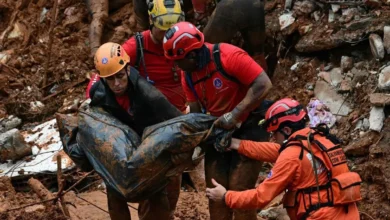
Sudden floods drowning what was once desert or forest.
Wildfires that consume both green and dry, much like they consume our negligence.
Hurricanes and storms that make no distinction between the strong and the weak, leveling the land indiscriminately.
The impact is not only environmental but extends to threaten human health, food security, water safety, and even social and political stability.
The Most Affected Areas: Who Pays the Price?
The world is not equal in this battle.
The major industrial countries have exhausted the Earth, but they are not necessarily the most affected.
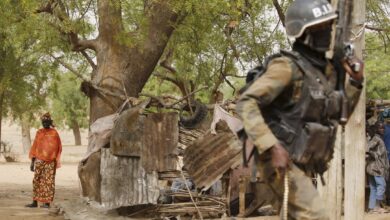
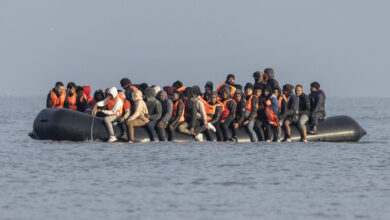
Small islands threatened by rising seas, African countries suffering from drought, and rapidly melting polar regions—all pay a heavy price.
This gap between those who cause the damage and those who bear its consequences represents one of the greatest ethical challenges we face.
How Do We Face the Challenge? Possible Solutions
Change is not only in technology and policies but in a new philosophy that reconnects humans with nature:
Transition to clean energy that respects the cycle of life.
Rethinking consumption patterns and abandoning the culture of wastefulness.
Protecting forests and restoring ecological balance.
Investing in sustainable agriculture and environmentally friendly technologies.
Awareness and education that foster a sense of collective responsibility.
International Efforts: Steps on a Long Road
International agreements like the Paris Accord reflect a global recognition of the crisis’s seriousness, but they are not the end of the road—they are the beginning of a new chapter in human history.
Conferences, funding, and environmental projects are all tools to help us, but the most important thing is political will and genuine commitment.
The Mirror We Must See Ourselves In
Climate change is more than an environmental phenomenon; it is a mirror reflecting our decisions and actions.
Do we choose to see ourselves as judges of the Earth or as caretakers responsible for nurturing this planet?
The choice is not just between life and death but between the quality of life we desire.
Time passes, and the planet sends its signals forcefully.
Are we ready to listen?
Do we have the courage to change?
The answer to these questions is the future.