US adds $250 ‘visa integrity fee,’ raising total travel cost to $442 and impacting industry

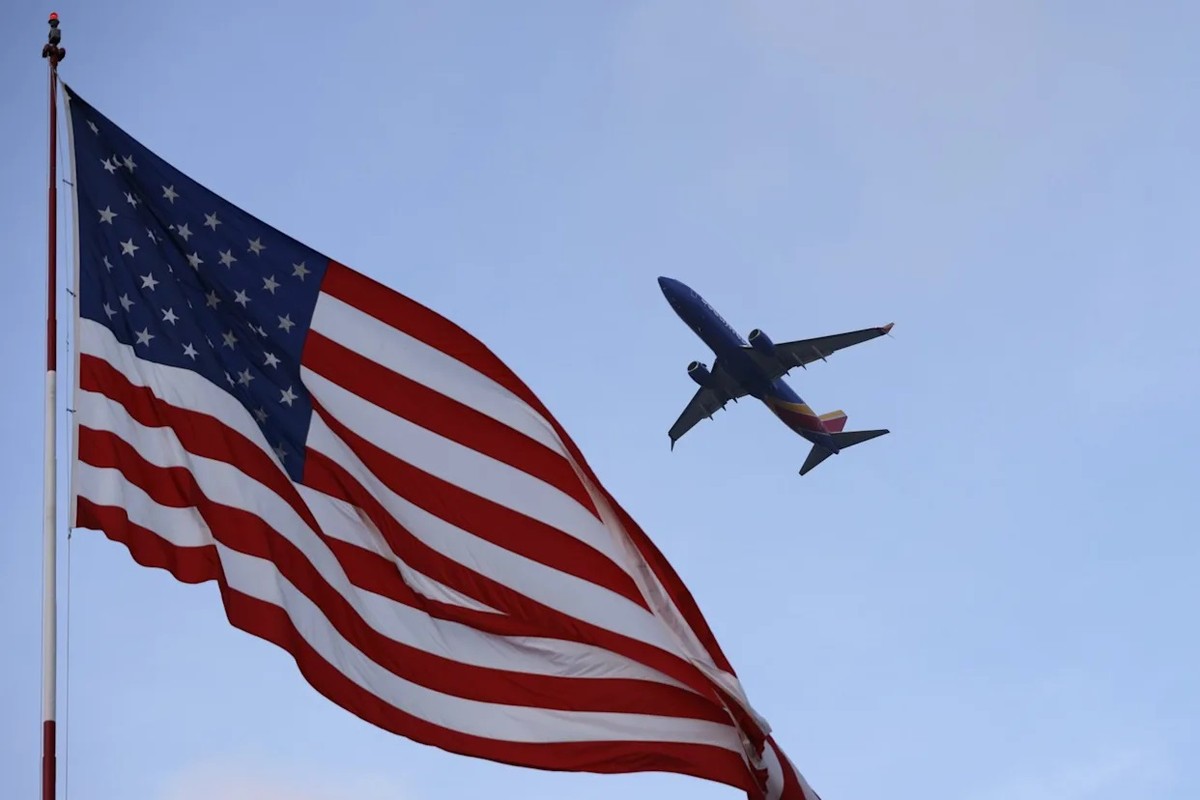
A new $250 “visa integrity fee” imposed on travelers to the United States risks piling more pressure on the struggling travel industry, as overseas arrivals continue to fall due to President Donald Trump’s crackdown on immigration.
Overseas travel to the U.S. fell 3.1% year-on-year in July to 19.2 million visitors, according to U.S. government data. It was the fifth month of decline this year, defying expectations that 2025 would see annual inbound visitors finally surpass the pre-pandemic level of 79.4 million.
The new visa fee, set to go into effect on October 1, adds an additional hurdle for travelers from non-visa waiver countries like Mexico, Argentina, India, Brazil and China. The extra charge raises the total visa cost to $442, one of the highest visitor fees in the world, according to the U.S. Travel Association, a membership organization.
“Any friction we add to the traveler experience is going to cut travel volumes by some amount,” said Gabe Rizzi, President of Altour, a global travel management company. “As the summer ends this will become a more pressing issue, and we’ll have to factor the fees into travel budgets and documentation.”
International visitor spending in the U.S. is projected to fall below $169 billion this year, down from $181 billion in 2024, according to the World Travel & Tourism Council.
The Trump administration on Wednesday proposed government regulation that aims to tighten the duration of visas for students, cultural exchange visitors and members of the media.
In early August, the administration said the U.S. could require bonds of up to $15,000 for some tourist and business visas under a pilot program effective August 20 that will last for approximately a year, in an effort to crack down on visitors overstaying their visas.
Tourism Economics, an Oxford Economics consultancy, forecast in December 2024 that overseas travel to the U.S. in 2025 would increase more than 10% year-over-year. Instead, it is on track to fall 3%, said Aran Ryan, director of industry studies at Tourism Economics.
“We see it as a sustained setback, and we anticipate much of it is in place throughout the administration,” Ryan said.