ALGIERS – The North Constantine Offensive (20 August 1955) and the Soummam Congress (20 August 1956) marked a decisive turning point in the course of the Revolution for national liberation at both political and military levels, history researchers and researchers said.
Historian Noureddine Essed, in a statement to APS, highlighted “the profound symbolic and historical significance” of the double anniversary of the North Constantine Offensive and the Soummam Congress, saying that the two events marked a ” decisive turning point” in the course of the Revolution of 1 November 1954, as they “contributed to the internationalisation of the Algerian question and to the organisation and structuring of the struggle on both the political and military fronts.”
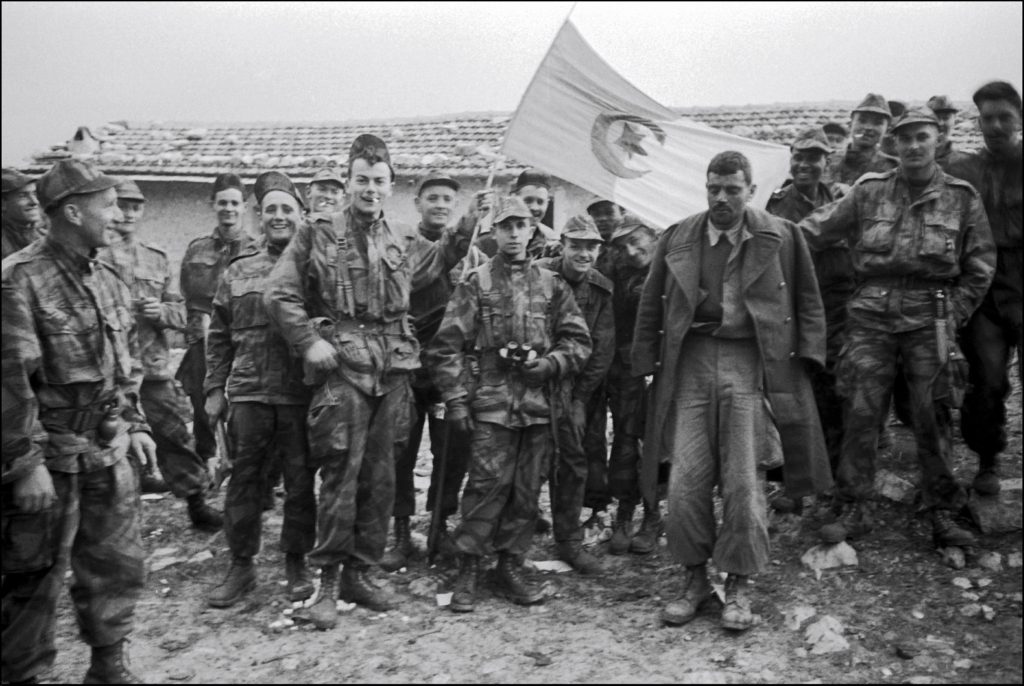
Carried out on 20 August 1955, under the leadership of Zighoud Youcef, chief of Area II, against colonial targets, mainly in Skikda, El Harrouch and Collo, the North Constantine Offensive allowed the French propaganda media blockade to be broken, while demonstrating that the Revolution was a liberation project supported by the entire Algerian people, the historian said.
He added that the operation helped restore self-confidence among the mujahideen (freedom fighters) in the other regions, thus creating a new dynamic within the ranks of the National Liberation Army.
Colonial France, seeking to stifle the people’s massive support for the Revolution, carried out a bloody crackdown of unprecedented violence against defenceless civilians, he said.
The teacher of modern and contemporary history at the University of Blida 2, Mahfoud Achour, focused on the second key stage of the Algerian Revolution, namely the Soummam Congress.
Held in the village of Ifri-Ouzellaguen, Bejaia, on 20 August 1956, despite the blockade imposed by the French colonial Army, the Soummam Congress marked a victory for the Revolution, he said.
This Congress was an opportunity for the leaders of the Revolution to lay new foundations for revolutionary action and the National Liberation Army was re-organized as a regular army, with the creation of ranks, the definition of responsibilities and the formation of units ranging from platoons to regiments, the teacher said.