Sahrawi Observatory Welcomes Australia’s End to Illegal Phosphate Imports from Occupied Western Sahara

The Sahrawi Observatory for Natural Resources and Environmental Protection has welcomed the announcement by Australian company “Dino Nobel” to end its imports of phosphate from the occupied Western Sahara, according to the Sahrawi Press Agency (SPS) on Wednesday.
In a statement, the observatory hailed the “official end of all phosphate imports from the occupied territories in Western Sahara to Australia,” praising Dino Nobel (formerly Incitec Pivot) for shutting down its high-grade monoammonium phosphate plant in Geelong, thus ceasing involvement in what has long been described as an “ethically controversial and internationally illegal supply chain.”
“For years, civil society organizations have documented and denounced the phosphate trade from Western Sahara, which has taken place without the free, prior, and informed consent of the Sahrawi people,” the observatory stated, adding that “Australia’s withdrawal marks a long-awaited alignment with international law.”
The statement emphasized that the exploitation and export of natural resources from occupied lands without the consent of their people constitutes a violation of international legal standards, including principles confirmed by the 2002 UN legal opinion.
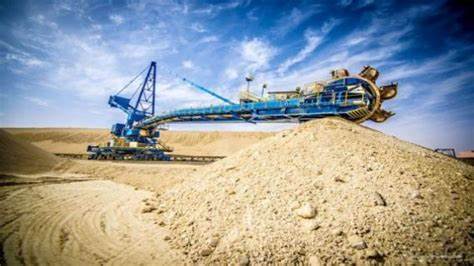
For decades, phosphate extracted from Western Sahara has been exported through Moroccan authorities, who continue to occupy the territory despite international resolutions and widespread condemnation.
Australia had been among the few remaining countries that continued importing phosphate from the region, mainly for agricultural fertilizer production.
The observatory called on other governments and companies still engaged in the trade to “follow Australia’s lead and immediately end their involvement in this illegal commerce.”
Human rights advocates regard Australia’s move as a significant step reflecting growing global pressure on corporations to avoid complicity in resource exploitation linked to the Moroccan occupation.