Saskatchewan Declares State of Emergency as Wildfires Rage Across Western Canada

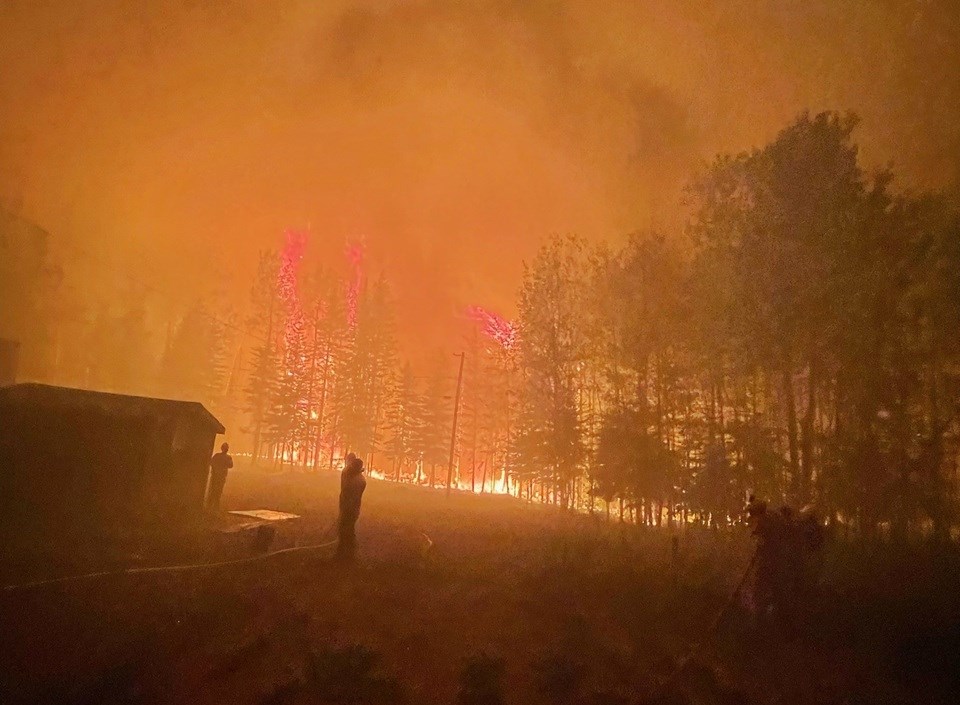
Saskatchewan, a province in western Canada, became the second province to declare a state of emergency due to wildfires on Thursday, following Manitoba (central Canada), which issued a similar declaration the day before and ordered the evacuation of 17,000 people.
“We are facing a very serious situation,” Saskatchewan Premier Scott Moe stated during a press conference.
Approximately 4,000 residents in the province had already been evacuated earlier in the week. With no rain in the forecast, Moe stressed the urgency of the situation: “We are putting every possible measure in place to prepare our communities. The weather forecast is not favorable. It appears the situation will worsen.”
Manitoba, experiencing its worst start to wildfire season in years, declared a state of emergency late Wednesday and ordered evacuations across several small towns.
In two remote Indigenous communities in the north of the province, “Air Force planes have been deployed and are currently evacuating people,” said Canada’s Minister of Emergency Management, Eleanor Olszewski, on Thursday.
Many evacuees arrived in Winnipeg, Manitoba’s capital, after a long and difficult overnight journey on congested roads.
The mayor of Flin Flon, a mining town of 5,000 people located about 800 kilometers north of Winnipeg, reported Thursday afternoon that the last bus was preparing to depart as wildfires came within just 500 meters of the town.
Firefighters are struggling to contain the flames, but “visibility is very poor due to smoke, making it impossible for water bombers to approach the fires,” the mayor added.
According to Canadian authorities, the wildfire season is expected to be “above normal” in central and western Canada in June and July, and “well above average” in August, largely due to ongoing severe or extreme drought conditions in several areas.