Pentagon Dismisses Leak Concerns After Journalist Added to Military Chat

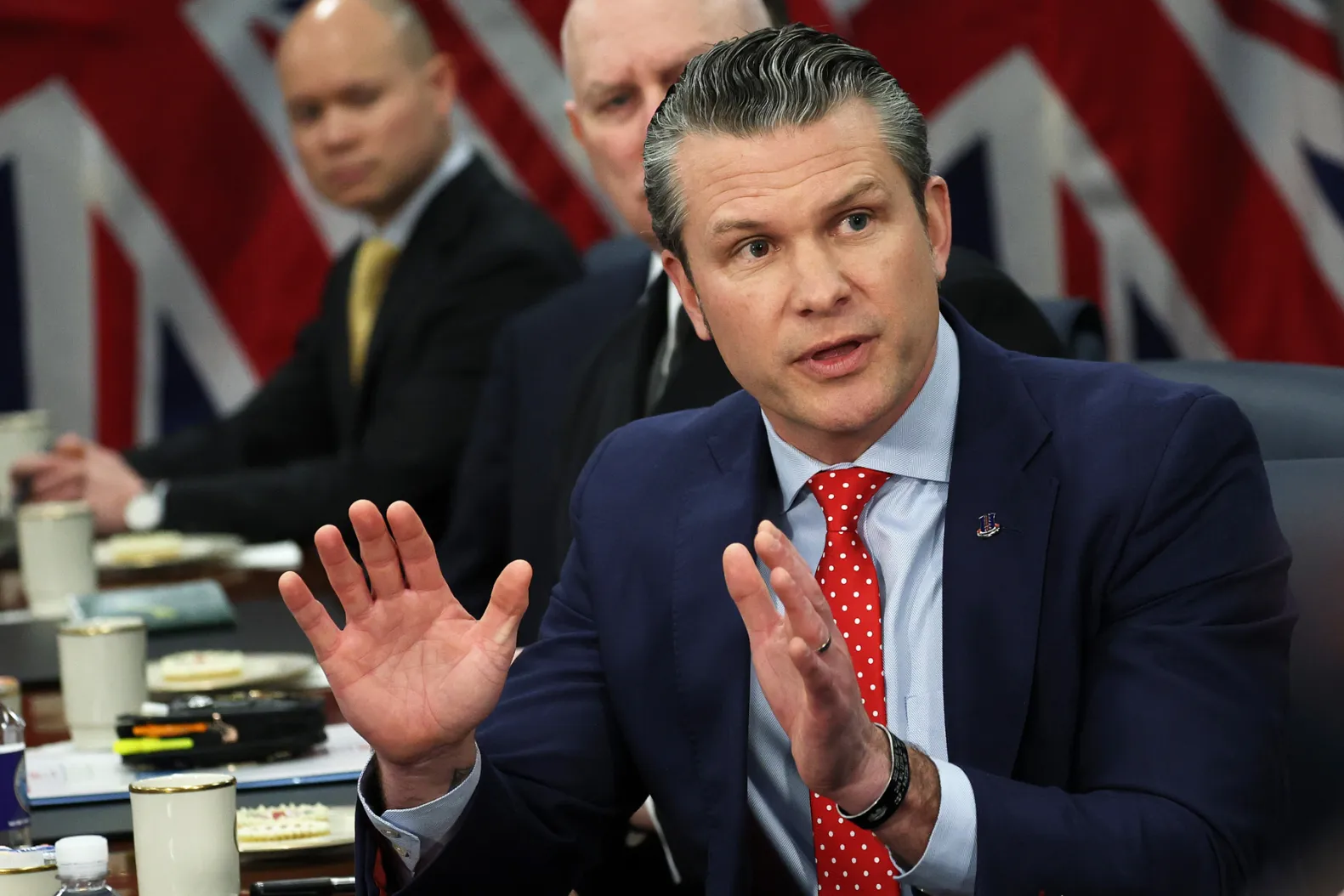
U.S. Defense Secretary Pete Hegseth downplayed concerns over a reported security breach on Monday, insisting that “nobody was texting war plans” after journalist
claimed he was mistakenly added to a sensitive military messaging group. Speaking in Hawaii, Hegseth dismissed Goldberg as a “deceitful and highly discredited so-called journalist” and denied that any classified information was shared. The controversy emerged after Goldberg, editor-in-chief of The Atlantic, revealed he had been added to a Signal chat on March 13, where senior officials allegedly discussed military strikes against Yemen’s Houthi group.
The National Security Council confirmed the authenticity of the leaked messages, prompting outrage from Democratic lawmakers. Senate Minority Leader Chuck Schumer called it a “stunning breach of military intelligence,” while House Minority Leader Hakeem Jeffries demanded a full congressional investigation. Goldberg insisted that the chat contained attack plans detailing targets and timing, though he refrained from publishing the information due to its sensitivity. President Donald Trump, when asked, denied any knowledge of the incident, stating, “I’m not a fan of The Atlantic.”
Despite growing calls for accountability, House Speaker Mike Johnson ruled out disciplinary action against National Security Advisor Mike Waltz and Hegseth, arguing that the mistake had been acknowledged and security measures would be reinforced. The incident has raised fresh concerns over communication protocols within the Trump administration, with critics warning that sensitive military discussions should not be conducted over unsecured messaging platforms.