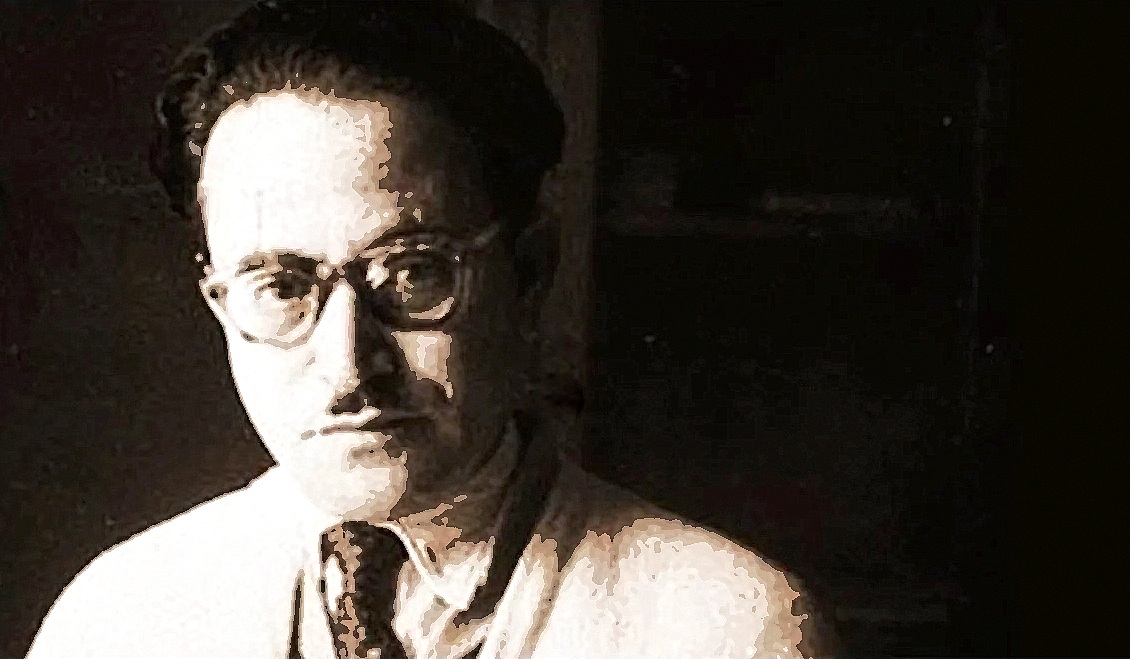
Mouloud Feraoun (1913–1962), the Algerian writer, educator, and nationalist, remains a powerful voice against French colonialism. His literary works provide a profound critique of the brutalities inflicted upon Algerians and reflect his unwavering commitment to the country’s independence.
Through his diary Journal (1955-1962), published posthumously in 2009 by the National Printing Arts Foundation (ENAG), Feraoun offered a poignant testimony of the Algerian War of Independence. He firmly believed in Algeria’s liberation, writing on page 402: “We will achieve our independence, without a doubt.”
His diary details the suffering endured by Algerians under French rule, including village bombings, forced displacements, and systematic repression. “Three villages were bombed and burned, all the men were arrested, while women and children wandered the countryside in search of shelter,” he wrote on page 213.
Feraoun also documented acts of terror committed by French forces. “Soldiers unleash police dogs on five men, mauling them before executing them randomly,” he recounted.
Despite the horrors, he maintained hope for a free Algeria. “I believe in the future of my country. I believe in the Algerians’ ability to build a free and just nation,” he wrote.
Feraoun’s seminal work The Poor Man’s Son (1950), a semi-autobiographical novel, remains a testament to his deep connection with his homeland and people. His son, Ali Feraoun, previously stated that his father secretly supported the nationalist cause, maintaining close ties with the leaders of the Revolution.
Tragically, Mouloud Feraoun was assassinated by the OAS (Secret Army Organization) on March 15, 1962—just days before the signing of the Evian Accords that granted Algeria its independence