Endemic Corruption and Flagrant Violations of Freedoms Amid Growing Public Anger in Morocco


ALGIERS – Morocco in 2024 is grappling with rampant corruption, blatant violations of freedoms, and a flourishing drug trade, all under the Makhzen regime, which is more focused on advancing its subversive agendas and colonial ideology than addressing the needs of its people. This situation has sparked widespread anger, with the Moroccan population taking to the streets to protest policies driving the country towards disaster.
In reality, 2024 marks another chapter in the long history of suffering for the Moroccan people, who have become victims of a regime that exploits their pain, misuses state resources to extend its power, increases its wealth, impoverishes the population, and represses dissent with brute force. The regime’s efforts to “legitimize” its occupation of Western Sahara have led it to make immoral compromises, even at the cost of international law. Under the banner of “Politics and Business: The Makhzen’s Blurred Lines,” Morocco’s political strategy continues to favor the regime and its allies in monopolizing public contracts, while dismissing warnings about the dangers of corruption infiltrating the state’s institutions.
The country has also seen a sharp rise in unemployment, now at 21.3%, along with the collapse of hundreds of businesses, worsening droughts exacerbated by the Makhzen’s agricultural policies, and a growing reliance on water-depleting crops. Additionally, in 2024, the regime, alongside its Zionist ally, has emerged as a major player in the drug trade, using illicit means to destabilize Africa, plunder its resources, and finance its colonial project by bribing decision-makers.
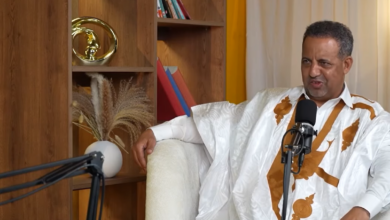
Moroccan journalist Ali Lahrouchi emphasizes that 2024 has conclusively shown the Makhzen regime to be a disgrace for the Moroccan people, transforming the kingdom into a Zionist protectorate while betraying the Palestinian cause. Lahrouchi also highlights the increasing drug trafficking scandals, including the arrest of small-time traffickers linked to the “Sahara Escobar” case, a move seen as an attempt to cover up the involvement of high-ranking Makhzen officials.
Popular Uprising Against Makhzen Authoritarianism
Citing a study by the Global Initiative against Transnational Organized Crime, Lahrouchi affirms that the Moroccan regime profits massively from the illicit drug trade, with annual cannabis production exceeding 700 tons, valued at $23 billion, while other drugs transited through Morocco contribute to the country’s illicit financial gains. These illegal activities are facilitated and protected by the Moroccan authorities, who assist traffickers in transporting and hiding their goods for export.
On the social front, a disturbing video showing a pregnant woman being transported to the hospital on a coffin just days before the year’s end symbolizes the deepening tragedy faced by the Moroccan people. The population is suffering from soaring prices, declining purchasing power, and a lack of basic dignified living conditions. Paradoxically, the regime exploits natural disasters such as earthquakes and floods to secure loans, plunging the country into further debt and compromising its political and economic sovereignty.
Furthermore, the Makhzen regime exploits the plight of young Moroccans fleeing the country to escape oppression, using them as human shields or bargaining chips to secure more funding from the European Union (EU) in exchange for border control assistance. In terms of human rights, the regime continues to flagrantly violate freedoms by repressing freedom of opinion and expression, targeting journalists, human rights defenders, and opponents of normalization with arbitrary arrests and judicial persecution.
Faced with this dire reality, which has only worsened with the enactment of laws further restricting rights and freedoms, the Moroccan people are left with few options: they must either flee in search of a better life or protest in the streets, despite the regime’s efforts to suppress these movements with heavy security measures, affecting even teachers and doctors.