Morocco’s Family Code Reforms Ignite National Debate Over Marriage, Polygamy, and Inheritance

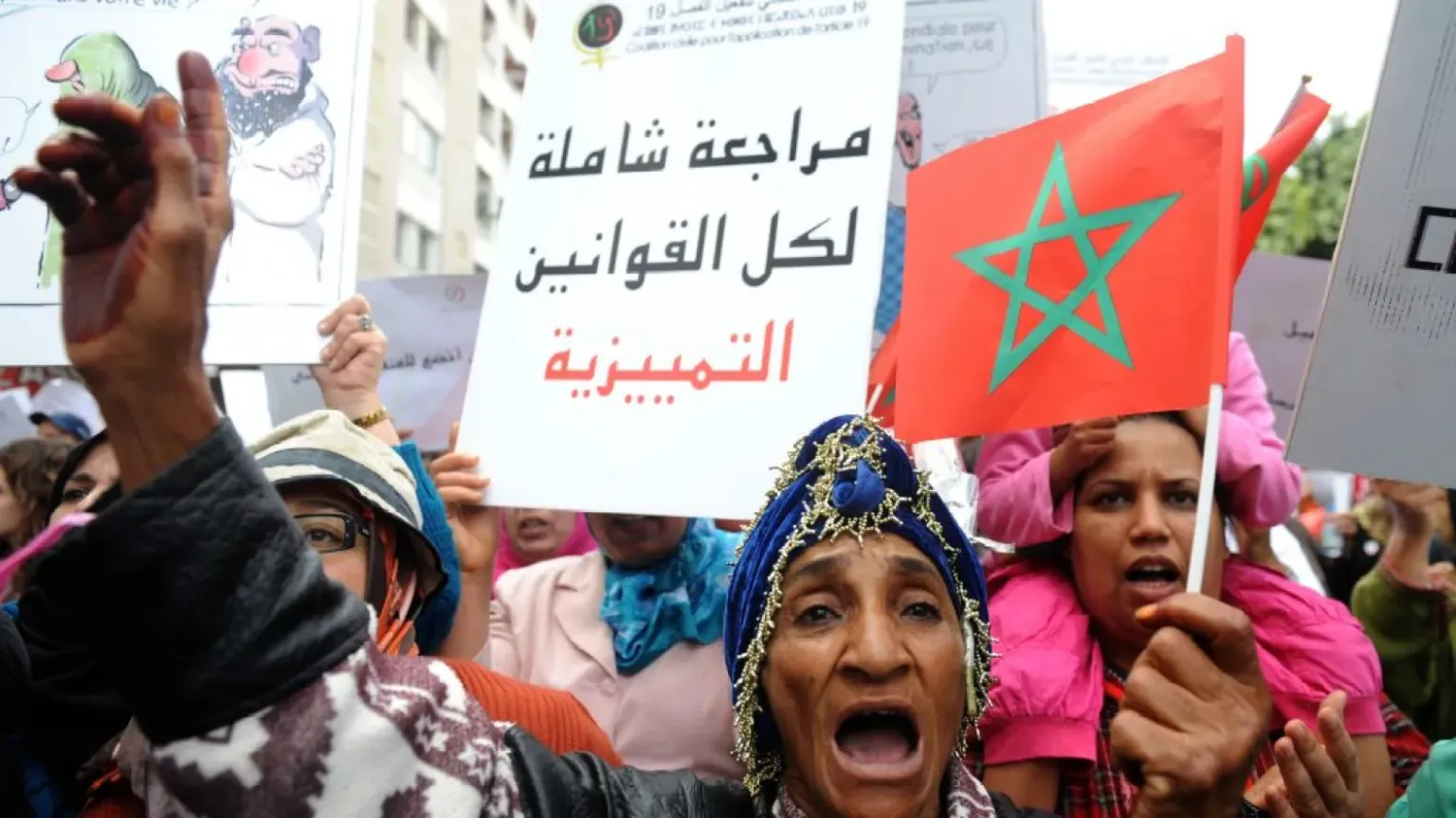
Proposed amendments to Morocco’s Family Code, unveiled by Minister of Justice Abdellatif Ouahbi, have sparked a heated national debate. Touching on sensitive issues like marriage, polygamy, and inheritance, the reforms aim to balance contemporary societal needs with cultural heritage. However, the proposals have divided public opinion, drawing both praise and sharp criticism.
Polygamy Restrictions Divide Opinion
The amendments impose stringent restrictions on polygamy, requiring a first wife’s consent and judicial approval under exceptional circumstances. Advocates for gender equity hail this as a step toward protecting women’s rights in a traditionally patriarchal society. Feminist groups argue the reforms mark long-overdue progress.
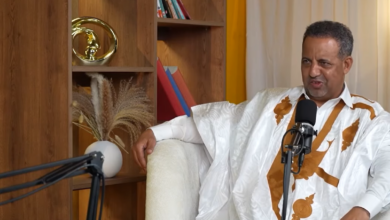
Opponents, however, view the restrictions as an affront to religious freedoms. Citing Islamic jurisprudence, critics like scholar Driss Idrissi argue the changes unnecessarily restrict what is divinely permitted, labeling the move redundant given polygamy’s rarity in Morocco.
Inheritance Reform Sparks Controversy
Another contentious reform addresses inheritance laws by excluding marital homes from inheritance distribution, ensuring widows retain their homes. Supporters argue this shields vulnerable women from displacement, while critics claim it disrupts Quranic principles. Religious scholar Qasim Akhilaat denounced the changes as a “violation of Sharia,” accusing the government of prioritizing secular over Islamic values.
As Morocco navigates this critical juncture, the debate underscores the challenge of reconciling tradition with modernity in shaping the country’s legal and cultural framework.