Sudan: Hunger Crisis Worsens as Government Withdraws from Global Monitoring System

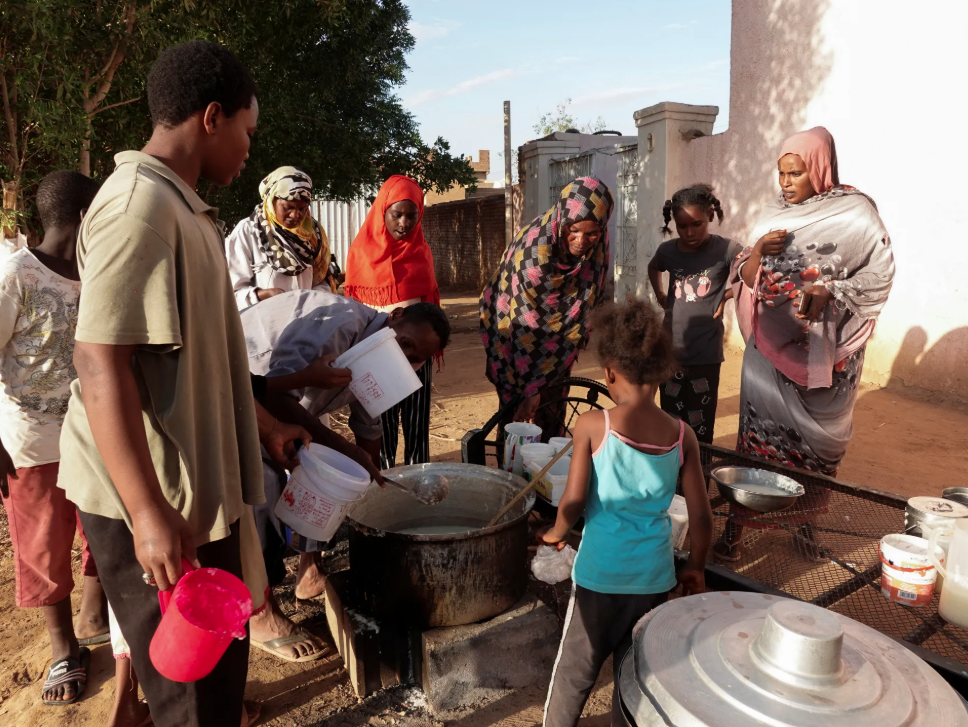
The Global Hunger Observatory reported on Tuesday that famine in Sudan has expanded to five regions and is likely to spread to five more by May. This alarming development coincides with the Sudanese government’s suspension of its participation in the Global Hunger Monitoring System in protest against a report highlighting widespread famine due to the ongoing conflict since April 2023.
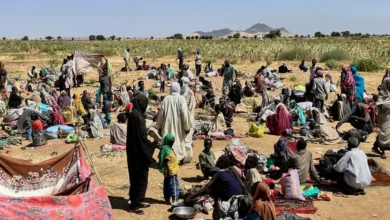
Officials from the monitoring system, which includes over 19 international organizations, warned that Sudan’s withdrawal will undermine efforts to address one of the world’s most severe humanitarian crises. According to United Nations estimates, more than 26 million Sudanese are at risk of hunger. This figure represents approximately 40% of the 63 million people facing food insecurity across East Africa, according to data from the Food and Agriculture Organization (FAO).
Despite these stark realities, the Sudanese government denies the existence of famine within the country. Media sources revealed that Sudan’s agriculture minister accused the Integrated Food Security Phase Classification (IPC) of publishing “unreliable reports that undermine Sudan’s sovereignty and dignity” in a letter sent on Monday.
An IPC briefing document described the famine in several Sudanese regions as “an unprecedented deepening and broadening of the food crisis,” driven by a devastating conflict that has claimed thousands of lives and created catastrophic humanitarian conditions.
Humanitarian organizations have expressed concerns that Sudan’s withdrawal from the global food security monitoring system will hinder efforts to assist millions suffering from extreme hunger. The Global Hunger Monitoring System, widely used by international aid groups, serves as a critical tool for tracking and mitigating hunger, providing accurate data to enable timely responses to food crises.
The worsening hunger crisis in Sudan is a stark reminder of the devastating human toll of prolonged conflict, and the international community now faces significant challenges in responding effectively to the growing needs of those affected.