US-China Trade Row Escalates to Drones, Raising Global Concerns

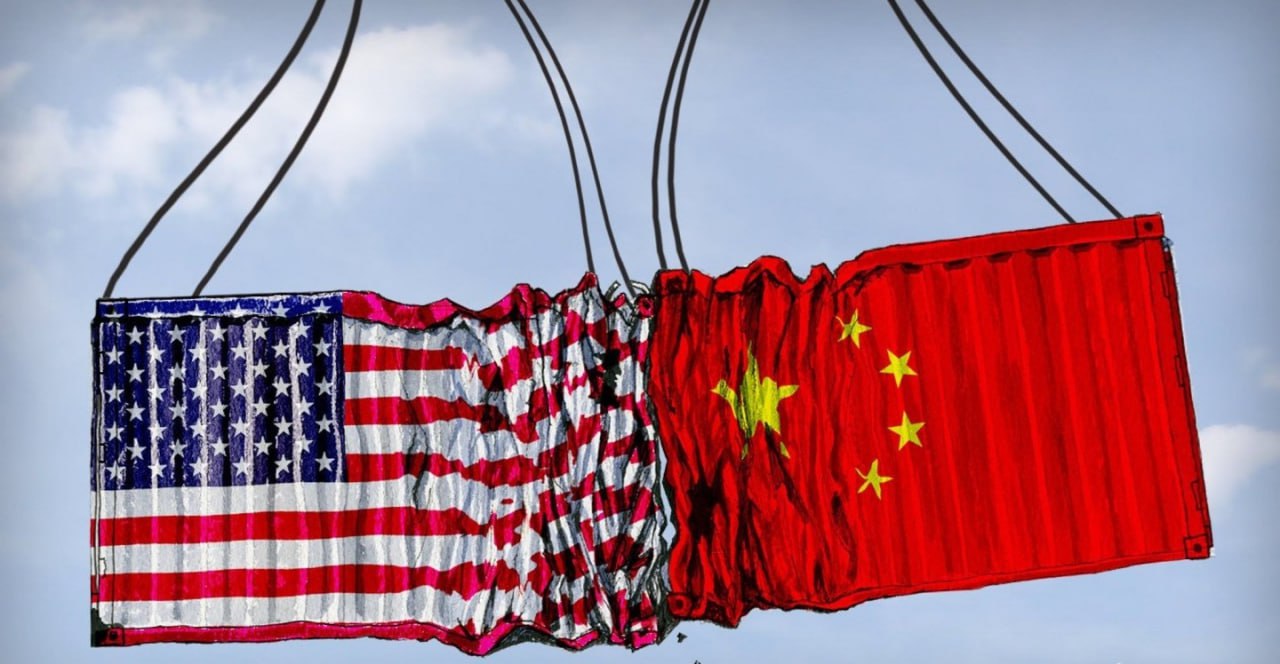
The ongoing US-China trade tensions have expanded to the drone industry, with China reportedly restricting the export of crucial drone components to the United States and Europe.
According to Bloomberg, Chinese producers of essential parts like motors, batteries, and flight controllers are capping or halting shipments, while future export licenses may require detailed declarations of end-use and shipment plans. These measures could disrupt the commercial drone market, where China commands an estimated 80% market share, forcing affected companies to scramble for alternative suppliers.
Recent Trade Disputes Escalate
This development comes on the heels of Washington’s recent export controls targeting China, including restrictions on high-bandwidth memory (HBM) chips, chipmaking equipment, and software tools. These measures are part of a broader effort to curb China’s technological advancements but have sparked retaliatory actions, with Beijing now focusing on critical sectors like drones.
The tit-for-tat measures have broader implications beyond drones. China’s Ministry of Commerce has criticized US policies as violations of market principles that disrupt global supply chains. The restrictions also threaten to harm the American chip industry, a warning echoed by multiple experts.
Economic and Industry Impact
The fallout from the escalating trade war could significantly impact global markets. Research from the National Bureau of Economic Research indicates that US consumers ultimately pay the price for trade disputes, facing higher costs that reduce aggregate real income. Manufacturing, automotive, and technology sectors are particularly vulnerable, as they rely heavily on global supply chains now caught in the crossfire.
Donald Trump, who initiated the trade war in 2018 with sweeping tariffs on Chinese goods, has vowed to implement additional tariffs ranging from 10% to 60% if reelected, raising the potential for further economic disruption. As both nations double down on trade restrictions, industries worldwide brace for cascading effects that could redefine supply chain strategies and market dynamics.