Yen Surges as Bank of Japan Rate Hike Expectations Rise, Asian Markets Retreat

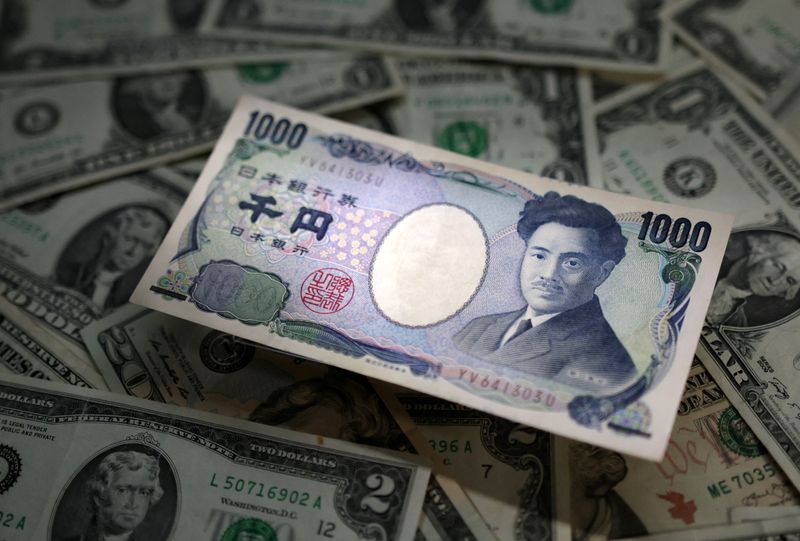
The Japanese yen experienced a sharp rally on Friday, climbing against the U.S. dollar amid mounting expectations of an interest rate hike by the Bank of Japan (BoJ). Meanwhile, Asian stock markets retreated, with investors remaining cautious following the Thanksgiving holiday break on Wall Street.
The yen briefly surpassed the symbolic 150-yen-per-dollar mark, a level not seen since mid-October, before settling at 150.16 yen per dollar as of 02:00 GMT. This marked a 0.95% increase from earlier levels and a significant rebound from over 155 yen at the end of last week.
The currency’s strong performance was initially driven by its safe-haven status amid renewed global economic uncertainties. These concerns were exacerbated by U.S. President-elect Donald Trump’s announcement of steep tariffs targeting China, Mexico, and Canada.
However, the primary boost for the yen comes from growing speculation that the BoJ will raise its interest rates in mid-December, following two hikes earlier this year. This would mark a departure from the central bank’s long-standing policy of near-zero or negative interest rates.
The anticipated rate hike places the BoJ at odds with other major central banks, including the U.S. Federal Reserve, which has been gradually cutting rates.
Asian markets reflected the cautious sentiment, with Tokyo’s Nikkei index down 0.45% at 38,174.00 points and the broader Topix index losing 0.32% to 2,678.59 points as of 02:00 GMT. The absence of cues from Wall Street, which was closed for Thanksgiving, and lingering concerns over heightened trade tensions weighed on investor confidence.
In China, markets fluctuated amid uncertainty over U.S.-China trade relations. The Hang Seng index in Hong Kong slipped 0.05% to 19,357.76 points, while Shanghai’s composite index edged up 0.01% to 3,295.02 points. The Shenzhen index, however, dropped 0.40% to 1,975.81 points.
Oil prices saw modest gains, with West Texas Intermediate (WTI) futures rising 0.48% to $69.05 per barrel as of 02:00 GMT.
Investors remain on edge, monitoring potential economic shifts as central banks and geopolitical tensions continue to influence global markets.