COP29: UN Climate Chief urges G20 leaders to boost climate finance amid faltering negotiations

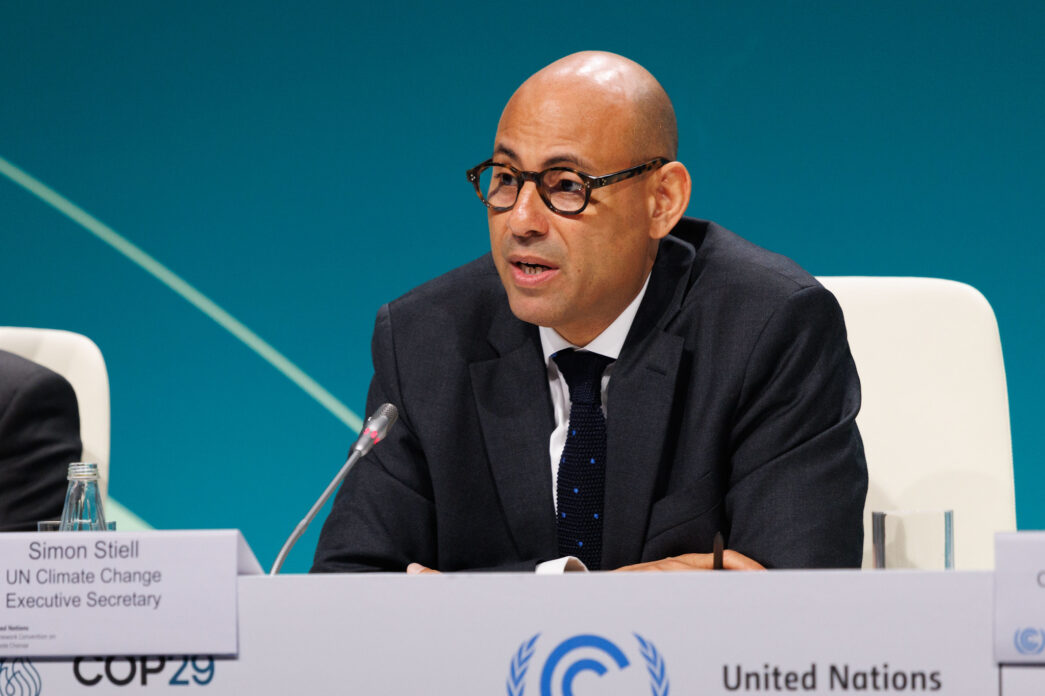
BAKU – The UN climate chief called on leaders of the world’s biggest economies on Saturday to send a signal of support for global climate finance efforts when they meet in Rio de Janeiro next week.
The plea was made in a letter to the G20 leaders from UN Framework Convention on Climate Change Executive Secretary Simon Stiell, and comes as negotiators at the COP29 conference in Baku struggle to finalise a deal aimed at increasing funding to address the escalating impacts of global warming.
“Next week’s summit must send crystal clear global signals,” Stiell said in the letter.
He said the signal should support an increase in grants and loans, along with debt relief, so vulnerable countries “are not hamstrung by debt servicing costs that make bolder climate actions all but impossible.”
Business leaders echoed Stiell’s plea, saying they were concerned about the “lack of progress and focus in Baku.”
“We call on governments, led by the G20, to meet the moment and deliver the policies for an accelerated shift from fossil fuels to a clean energy future, to unlock the essential private sector investment needed,” said a coalition of business groups, including the We Mean Business Coalition, the United Nations Global Compact, and the Brazilian Council for Sustainable Development, in a separate letter.
Success at this year’s UN climate summit hinges on whether countries can agree on a new finance target for richer countries, development lenders, and the private sector to deliver each year.
However, negotiators have made slow progress midway through the two-week conference. A draft of the deal, which was 33 pages long earlier this week and included dozens of broad options, had been reduced to 25 pages as of Saturday.
Sweden’s climate envoy, Mattias Frumerie, told Reuters the finance negotiations had not yet resolved the toughest issues: how big the target should be or which countries should pay.
“The divisions we saw coming into the meeting are still there, which leaves quite a lot of work for ministers next week,” he told Reuters.
Experts said at least $1 trillion annually is needed, both to compensate for climate-driven disasters, and to fund the clean energy transition that many countries cannot afford on their own.