Algeria Calls for Comprehensive Reform of the Global Counter-Terrorism System at UN Security Council Meeting
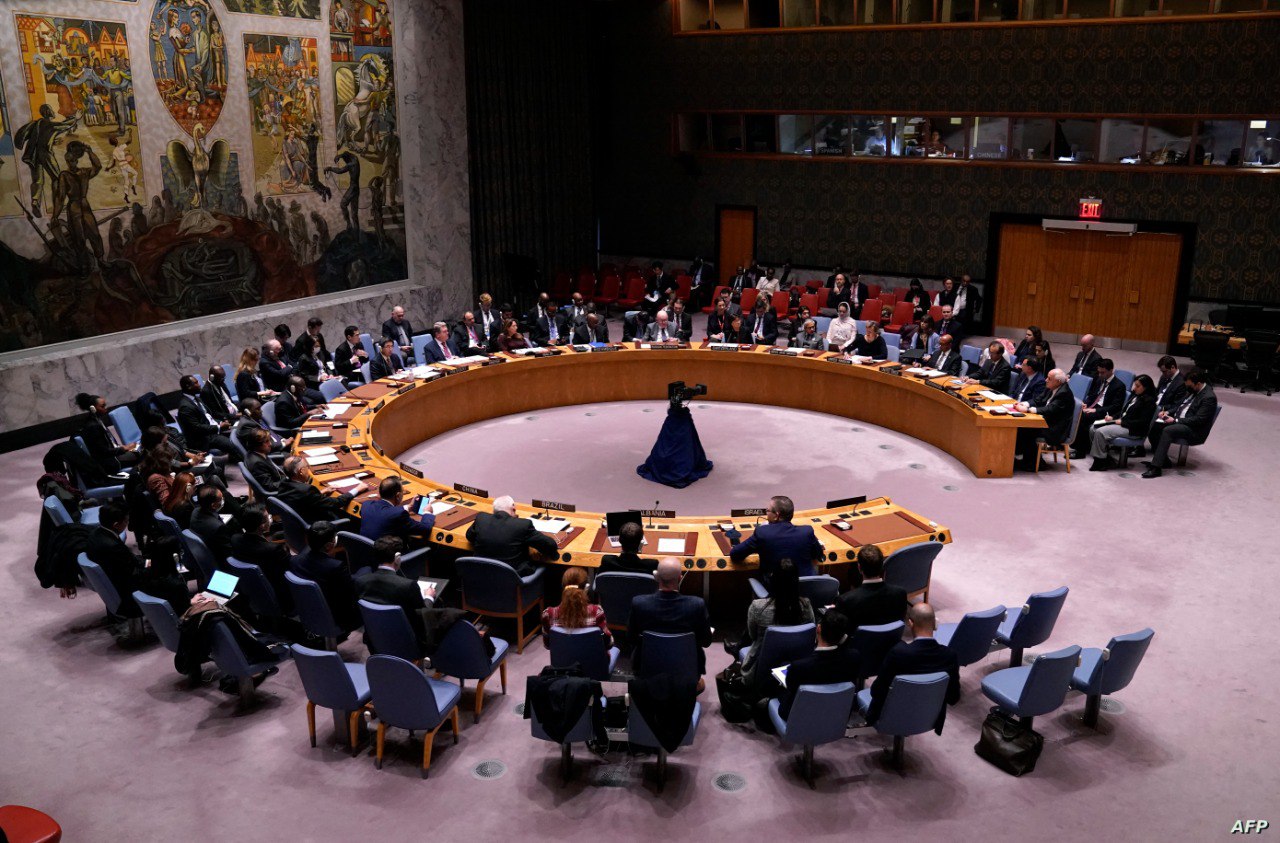
Algeria has called for a major overhaul of the international counter-terrorism framework during a UN Security Council session, emphasizing the need for enhanced global coordination to confront escalating threats. The meeting, chaired by the United Kingdom, focused on briefings from the heads of three key committees on counter-terrorism and non-proliferation: the 1267 Committee concerning ISIS and Al-Qaeda, the 1373 Counter-Terrorism Committee (CTC) chaired by Algeria, and the 1540 Committee on non-proliferation.
This session underscored the urgent need for more effective international action, particularly in light of rising terrorist activities in Africa, mounting security risks in Afghanistan, and the growing use of technology for terrorist purposes. The committee chairs outlined evolving threats, calling for a more integrated approach to address them.
As chair of the 1373 Counter-Terrorism Committee, Algerian Ambassador Amar Bendjama delivered an in-depth report on the committee’s achievements over the past year. This included nine evaluation visits to member states, strengthened coordination with UN resident coordinators, and the adoption of guidelines on drone-related threats. He highlighted the development of advanced assessment tools to measure the effectiveness of counter-terrorism measures.
In his national statement, Ambassador Bendjama advocated for a rethinking of the current counter-terrorism framework, drawing from Algeria’s own experience fighting terrorism alone in the 1990s. “This experience taught us that the Council’s approach is unsustainable,” he stated, calling for a new, comprehensive system.
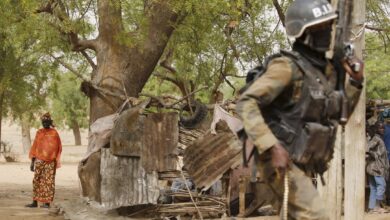
Addressing the situation in Africa, Ambassador Bendjama urged UN experts to focus on the most affected and vulnerable regions, saying, “Go to the Sahel, to Lake Chad, rather than countries untouched by terrorism.” He added, “In Africa, we witness how poverty and despair fuel extremism, how weak institutions are vulnerable to infiltration, and how a lack of opportunities becomes fertile ground for radicalization.”
In response to these challenges, Algeria proposed a holistic approach that balances security with development, urging concrete support for the most vulnerable nations. “We need resources, not promises. Cooperation without conditions, and partnership over lessons in counter-terrorism,” Bendjama stressed.
The Algerian vision also included a call for strengthening regional approaches, particularly in Africa, where “time is of the essence,” according to Bendjama. He emphasized that this regional approach must go hand in hand with reinforced legal frameworks and operational capabilities for the most vulnerable states.
Algeria’s dual approach reflects its ongoing commitment to counter-terrorism and its willingness to contribute to a fairer, more effective global strategy. With its extensive national experience, Algeria reiterated its readiness to share expertise with partners striving for a world free from terrorism.