Canada Orders Binding Arbitration to Resolve Port Lockout, Citing Economic Urgency

The Canadian government has mandated binding arbitration to end the ongoing lockouts at two major ports—Vancouver and Montreal—that are disrupting the economy and supply chains, impacting around $930 million in goods daily.
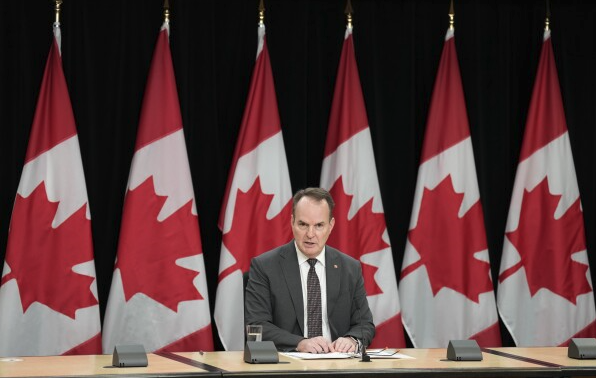
Labour Minister Steven Mackinnon announced the intervention on Tuesday, explaining that stalled negotiations had compelled him to direct the Canada Industrial Relations Board to resume operations at both ports while shifting contract discussions to binding arbitration.
“The threshold of economic self-destruction Canadians are willing to tolerate has been reached,” Mackinnon stated. “As Minister of Labour, I have a duty to act in the face of such disruptions.”
The decision comes as business leaders press for government action to restore goods flow and maintain Canada’s status as a reliable trading nation.
The lockouts began when the Maritime Employers Association blocked 1,200 longshore workers from Montreal’s port after they rejected a proposed four-year, 20% wage increase. In British Columbia, over 700 longshore supervisors faced a similar lockout, halting container traffic along the West Coast.
The International Longshore and Warehouse Union (ILWU) Local 514, representing the British Columbia supervisors, voiced opposition, with President Frank Morena pledging a legal challenge to the government’s order.
This intervention marks the second such federal action in recent months, following an August order ending work stoppages at major Canadian railway companies. Though the Liberal government generally favors collective bargaining, Mackinnon said the lack of progress made intervention necessary.
The move has sparked backlash, with the left-leaning New Democratic Party (NDP) criticizing the government for aligning with employers over labour rights. NDP leader Jagmeet Singh argued that forced return-to-work measures suppress Canadian wages and favor corporate interests, though he did not suggest withdrawing support for the Liberals.
The Canadian Labour Congress also condemned the action, saying it could encourage employers to sidestep negotiations by locking out workers and awaiting government intervention.
The Teamsters union, representing railway workers affected by the August decision, has also filed legal challenges against the Labour Board’s rulings, arguing that these interventions undermine the bargaining process across Canada