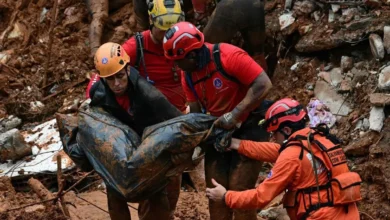
Gaza: Over 42 Million Tons of Debris and High Concentration of Explosives (UN)

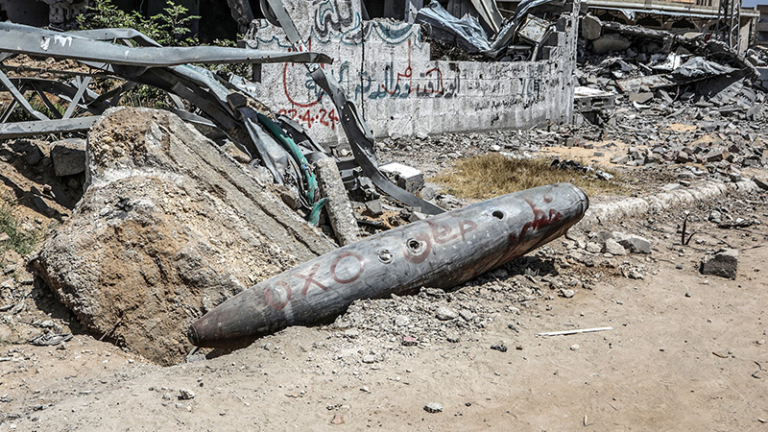
More than 42 million tons of debris and a significant concentration of explosive remnants pose an imminent threat to civilians in Gaza, which has endured Zionist aggression for over a year, United Nations agencies reported on Wednesday. They expressed concern over the restrictions limiting the entry of personnel and specialized equipment, as well as the ability to conduct explosives ordnance disposal activities.
Thousands of civilians continue to be forced to relocate multiple times, struggling to survive amidst the rubble and seeking shelter in unsafe locations, including damaged or destroyed buildings.
According to the United Nations Development Program (UNDP), in addition to wartime explosive remnants, highly carcinogenic asbestos released into the air due to extensive infrastructure destruction, along with other contaminants, will have long-lasting effects on Gaza’s communities.
This warning from UNDP follows a recent analysis by the United Nations Satellite Centre (UNOSAT), conducted in early September, which revealed that over 65% of all structures in Gaza have either been damaged or destroyed.
Technical staff from the United Nations Mine Action Service (UNMAS) working on the ground report that while more than 209 risk assessments for explosives have been conducted in Gaza to date, these efforts are insufficient for a comprehensive understanding of the extent of contamination by explosive munitions. Access restrictions significantly hinder the expansion of assessments, and a complete study of unexploded ordnance has yet to be undertaken.
However, available information presents an alarming picture of the risks associated with explosive munitions. In the five governorates of Gaza, contamination from explosive remnants of war is likely to exist both on the surface and underground, involving not only land-based munitions (such as projectiles, mortars, rockets, missiles, grenades, and landmines) but also deeply buried bombs, as well as caches of weapons and munitions.
While it is essential to immediately intensify efforts against mines, the restrictions imposed by the Zionist authorities on the entry of specialized personnel and vital explosive ordnance disposal (EOD) materials, alongside specific regulations preventing neutralization activities, continue to impede efforts to protect populations from explosive remnants of war and ensure the safe and sustainable delivery of humanitarian aid.
Currently, EOD teams are limited to marking and reporting explosive remnants of war rather than safely relocating or disposing of them. Lengthy procedures are required to obtain permits for movement within Gaza, with many requests being outright denied or canceled at short notice. For instance, in September, 31 requests from UNMAS were rejected. These challenges are further exacerbated by administrative barriers, such as difficulties in registering mine action organizations and delays in visa issuance, which disrupt the deployment of technical specialists.
In response to these challenges, mine action partners have largely focused on raising public awareness about the risks associated with explosives. More broadly, these restrictions impact all humanitarian activities.
For almost a month, all efforts by humanitarian organizations to deliver food to residents in the besieged areas of northern Gaza have been obstructed by the Zionist authorities.