Algeria Urges International Standards to Protect Sovereignty from Foreign Interference via Emerging Technologies

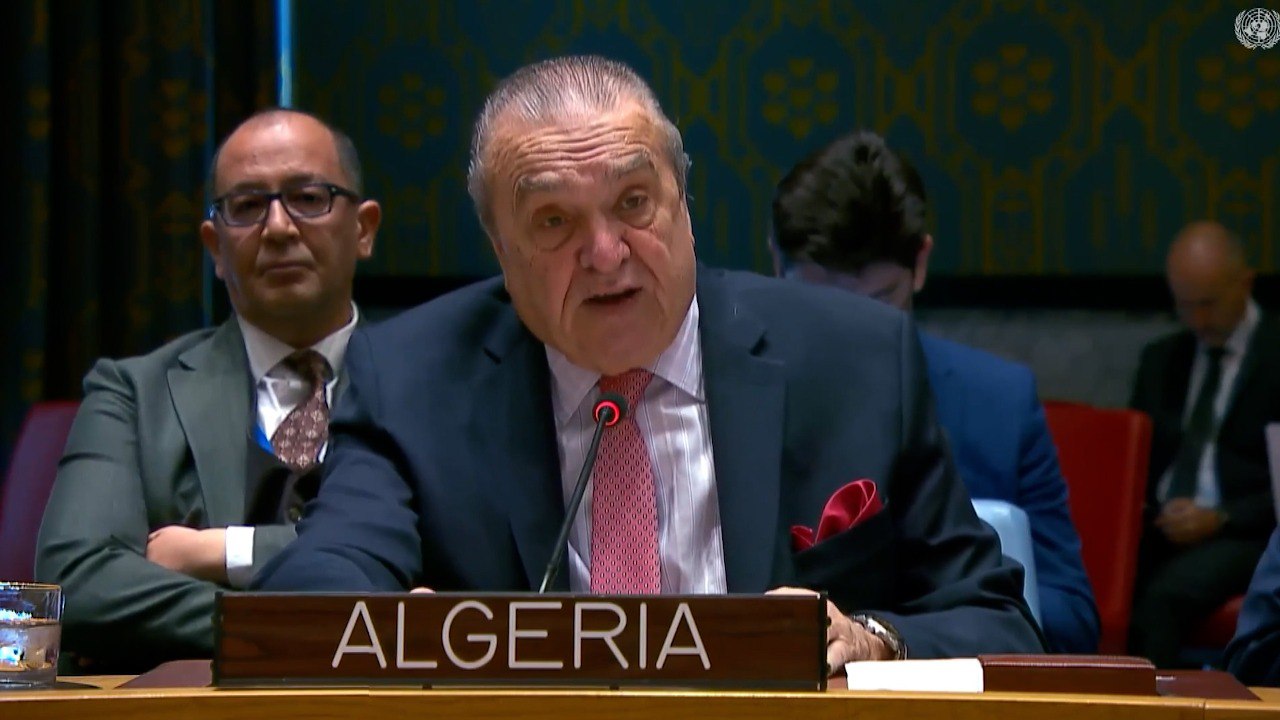
During a UN Security Council meeting on Monday, Algeria stressed the need for robust international standards to safeguard state sovereignty from the growing threat of foreign interference through advanced technologies. Algeria’s Permanent Representative to the United Nations, Ambassador Amar Bendjama, highlighted these concerns during a briefing on “Anticipating the Impact of Scientific Developments on International Peace and Security.”
“We urge the creation of strict international standards to protect the sovereignty of nations as technological advancements accelerate,” Bendjama stated. He further warned, “We must safeguard states’ sovereignty in the face of rapid scientific developments, as the risk of using sophisticated technologies to meddle in the internal affairs of countries is very real. Recall Pegasus,” referring to the spyware developed by the Zionist entity and used by Morocco to spy on political figures and journalists in several nations.
Bendjama also underscored the importance of utilizing new technologies with an ethical framework and respecting the cultural specificities of different countries. “These technologies should promote the rule of law, ensuring that progress does not undermine our shared humanity,” he said.
He called for technology to be harnessed in a way that serves all of humanity, not just a select few nations. “Our future must be inclusive, equitable, and just,” he emphasized.
Addressing the technological gap between the Global North and South, Bendjama encouraged the transfer of technology to developing nations, stating, “Science should bring us closer, not divide us.” He stressed the need to combat the harmful use of technology and ensure that developing countries also benefit from financial assistance to keep pace with rapid technological advances.
In his remarks, Bendjama argued that humanity’s future should not be controlled by “a privileged few,” and called for greater inclusion of scientists and policymakers from the Global South. “Our voice must be heard,” he insisted.
The Algerian diplomat also touched on the potential of new technologies to address environmental protection and global well-being, asking, “How can science help us tackle climate change and combat poverty? These are the questions we need to answer, as science must help us achieve sustainable development goals rather than hinder them.”
In conclusion, Bendjama highlighted the role of technological progress in promoting global peace. “Whether it’s enhancing the UN’s peacekeeping capabilities or improving humanitarian aid, the opportunities for positive outcomes are significant,” he said.