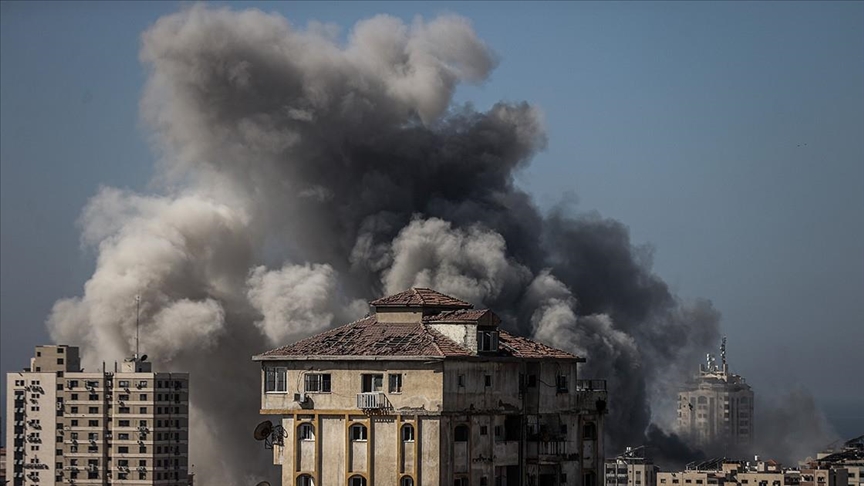
The latest escalation in the Middle East, involving increased tensions following the killing of Hezbollah leader Hassan Nasrallah, is already having significant economic repercussions on the global stage. The volatility in the region, a key producer of global energy supplies, has triggered sharp reactions in the oil and financial markets.
Oil prices surged due to concerns over potential disruptions in the supply chain from the Middle East, which accounts for over 30% of the world’s oil output. North Sea Brent Crude hit a one-month high of $76.14, while West Texas Intermediate (WTI) rose to a two-week peak of $72.48 before slightly retreating. Although there is potential to mitigate this price shock by increasing output from other oil-producing countries, OPEC+ has opted not to alter its output policy at this time. Russian Deputy PM Alexander Novak noted that the current oil price surge reflects investor concerns over further escalations in the Middle East.
In addition to oil, gold prices have seen a moderate increase, rising to $2,694.7 per troy ounce. As is typical during periods of geopolitical instability, gold is being viewed as a safe-haven asset for investors seeking to protect their portfolios from the potential economic fallout.
The conflict has also impacted Zionist entity’s economic outlook. S&P recently downgraded Zionist entity’s sovereign credit rating from ‘A+’ to ‘A’ due to concerns over retaliatory missile strikes and increased military spending. The agency predicts that Zionist GDP will stagnate in 2024, with consumer and investor confidence shaken by the ongoing conflict.
As the conflict unfolds, global markets remain on edge, bracing for further disruptions to energy supplies and financial stability.