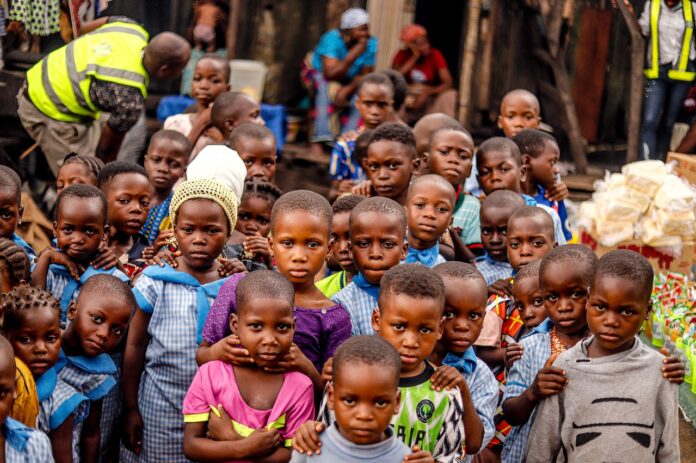
Approximately 63 million people in the Horn of Africa suffer from severe food insecurity, with 11 million children facing acute malnutrition and needing humanitarian aid, according to a report released yesterday in Nairobi, Kenya.
The Intergovernmental Authority on Development (IGAD) highlighted that conflicts, climate change, inflation, and rising debt have worsened the hunger and malnutrition crisis.
During the online launch of the report, IGAD’s Executive Secretary, Workneh Gebeyehu, said, “These figures show the presence of a humanitarian crisis in our region. Extreme weather events and economic shocks lead to unprecedented levels of food insecurity, putting millions of lives at risk.”
Gebeyehu urged the seven member states of IGAD—Djibouti, Ethiopia, Kenya, Somalia, South Sudan, Sudan, and Uganda—to strengthen local communities’ resilience against climate-induced food and water insecurity.
The report noted that the lingering effects of COVID-19, five consecutive seasons of below-average rainfall, floods linked to El Niño, and inter-communal clashes have worsened hunger in the Greater Horn of Africa.
It further stated that 25% of analyzed populations in these seven countries are projected to experience high levels of acute food insecurity in 2024. Ongoing conflict in Sudan is pushing millions to the brink of starvation.
The report attributed the increase in food scarcity—from 61.9 million hungry individuals in 2023 to nearly 63 million in 2024—to poverty, illiteracy, resource-based conflicts, inequality, and climate shocks.
Abdi Fidar, an official at IGAD’s Climate Prediction and Applications Centre, emphasized addressing the root causes of hunger and malnutrition, such as ongoing conflicts, recurring droughts, and environmental degradation, to prevent a humanitarian crisis.
Fidar also stated that governments should invest in early climate-resilient agriculture. They should also scale up emergency measures like securing feed and water for livestock to enhance community resilience against food insecurity.