Algeria Recalls Ambassador as France Supports Moroccan Autonomy Over Western Sahara

In a dramatic escalation of diplomatic tensions, Algeria has recalled its ambassador from Paris following France’s endorsement of Morocco’s autonomy plan for Western Sahara. This move underscores the growing rift between the two nations, fueled by recent political developments within France and broader geopolitical implications.
By: Mohamed Lamine Belili
Strategic Timing Amid French Political Turmoil
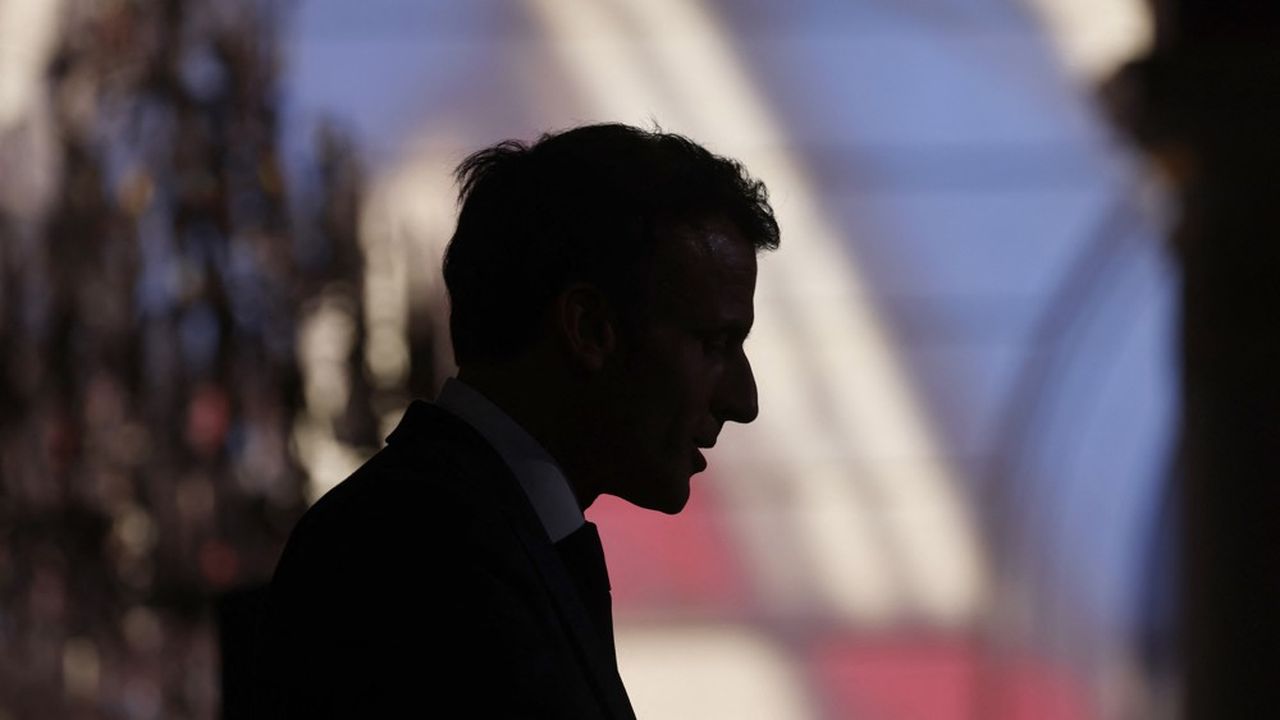
France’s decision to support Morocco’s position on Western Sahara comes at a particularly volatile time for President Emmanuel Macron’s government. The aftermath of recent legislative elections has left Macron’s party weakened, facing significant internal challenges. This policy shift is seen by some analysts as an attempt to redirect attention from domestic issues and secure strategic alliances.
Algeria’s Strong Rejection
Algeria’s response to the French decision has been swift and unequivocal. By recalling its ambassador, Algeria has sent a clear message of disapproval, reflecting deep-seated opposition to what it views as a betrayal of international norms and support for self-determination in Western Sahara. This decision also highlights Algeria’s commitment to its longstanding position on the Western Sahara issue, aligning with broader regional and international support for Sahrawi self-determination.
The Rise of the New Popular Union in France
This diplomatic row also intersects with significant shifts in French domestic politics. The New Popular Union (NUP), a coalition formed in June, brings together a diverse array of leftist groups, including Democrats, Socialists, Greens, Communists, the Radical Left, and “La France Insoumise.” This alliance aims to challenge the neoliberal and authoritarian policies of previous administrations, uniting around key progressive goals such as combating racism, supporting free education, and enhancing social welfare.
Macron’s Calculated Maneuvering
President Macron’s endorsement of Moroccan autonomy over Western Sahara is seen by critics as a strategic move to weaken the unity of the New Popular Union. By aligning with Morocco, Macron appears to be leveraging external policy decisions to create internal divisions within this burgeoning coalition. This tactic underscores the broader geopolitical stakes and the complex interplay of domestic and international politics.
Algeria’s Strategic Response
In light of these developments, Algeria faces a critical juncture in its diplomatic strategy. The recall of its ambassador is just one step in a broader effort to exert pressure on Macron’s administration and the deep state factions supporting his policies. Algeria aims to galvanize international support for Western Sahara’s self-determination and counteract the influence of Moroccan and Emirati financial interests that seek to undermine the New Popular Union.
Conclusion
The escalating tensions between Algeria and France mark a significant moment in international diplomacy, with far-reaching implications for regional stability and the global geopolitical landscape. As both nations navigate this complex terrain, the international community watches closely, anticipating further developments and their potential impact on the future of Western Sahara and broader North African relations.